

Polypropylene : Benefits, Properties, and Applications
Polypropylene plastic is a versatile thermoplastic polymer known for its wide range of applications
Manufacturing for PP Parts
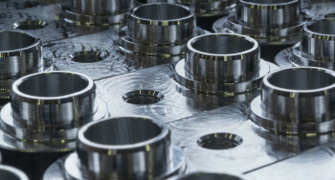
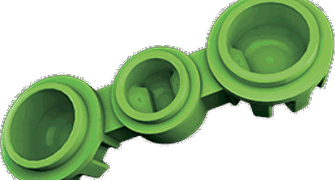
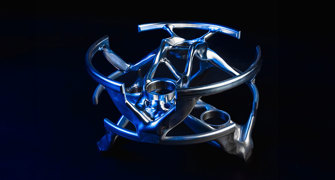
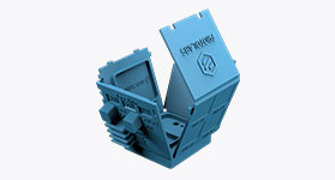
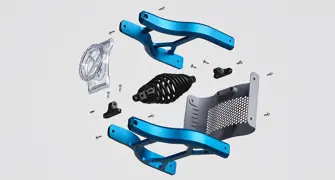
| A type of polyolefin derived from the polymerisation of propylene monomers, polypropylene is an affordable option that is also versatile, making it a workhorse material across numerous manufacturing processes at Protolabs. Polypropylene is a material option for the following manufacturing services. |

Advantages and Disadvantages of Polypropylene
Advantages of Polypropylene
|
Disadvantages of Polypropylene
|
Applications of Polypropylene
| Polypropylene is a versatile material used in the production of various products across different industries. Some common examples of products made from polypropylene include: |
- Packaging materials: PP is widely used in packaging applications due to its excellent moisture resistance, durability, and cost-effectiveness.
- Automotive parts: Polypropylene is extensively used in the automotive industry, including for bumpers, interior trim, door panels, dashboard components, battery cases, and engine covers due to its lightweight, impact resistance, and ease of moulding.
- Textiles and fibres: PP fibres are used in the textile industry to produce items like carpets and fabrics, and non-woven fabrics used in applications such as filtration and hygiene products.
- Electrical and electronic components: Polypropylene's excellent electrical insulation properties make it suitable for manufacturing electrical and electronic components.
- Household and consumer goods: Many household products are made from polypropylene due to its durability, chemical resistance, and versatility. Examples include storage containers, toys, kitchenware, garden furniture and household appliances.
- Medical and healthcare products: PP is used in the production of various medical and healthcare products due to its biocompatibility (grade-specific), sterializability, and chemical resistance. Examples include syringes, IV components, medical packaging, laboratory equipment, and disposable medical devices.
- Industrial and chemical applications: PP is used for manufacturing pipes and fittings, tanks, chemical containers, industrial filters, battery cases, and corrosion-resistant components.

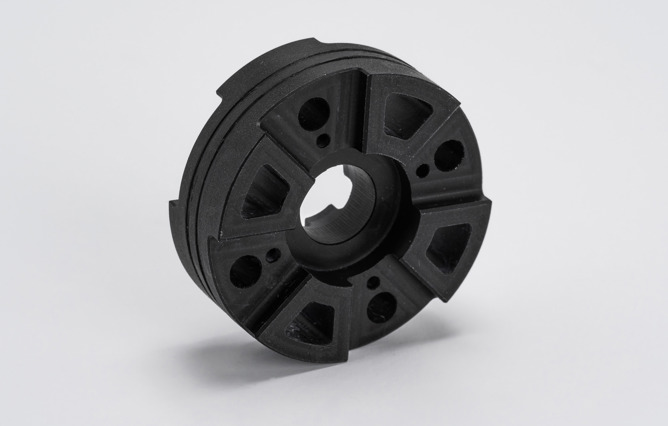
Polypropylene is a lightweight versatile material commonly used for diverse applications like packaging, automotive parts, and electrical components. Part design courtesy of Engels Machines
Plastic Materials Similar to Polypropylene
Several materials are similar to polypropylene (PP) in terms of their properties and applications. Examples include:
|
Polymer
|
Similarities (to PP)
|
Differences
|
Applications
|
|---|---|---|---|
|
High strength, chemical resistance, moisture resistance
|
Higher stiffness and density than PP; typically better tensile strength and environmental stress crack resistance
|
Bottles, containers, pipes, geomembranes, tanks
|
|
|
Low-density polyethylene (LDPE)
|
Good moisture and chemical resistance
|
Much more flexible and lower strength than PP; lower density and softer feel
|
Films, bags, squeeze bottles, flexible packaging
|
|
Polyethylene terephthalate (PET)
|
Durable and chemically resistant in some uses
|
Clear (transparent), better barrier properties (gas/moisture) and higher stiffness than PP
|
Beverage bottles, food packaging, fibers, textile applications
|
|
Polyvinyl chloride (PVC)
|
Chemical resistance and durability in certain uses
|
Typically stiffer (rigid PVC) and more flame/chemical resistant; different processing and additives
|
Pipes, profiles, window frames, electrical insulation, flooring
|
|
Strength and durability for structural parts
|
Higher abrasion resistance; hygroscopic (absorbs moisture) which affects dimensions and mechanicals; generally higher temperature resistance
|
Textiles, automotive components, connectors, gears, mechanical parts
|
|
|
Polystyrene (PS)
|
Used for rigid parts in some similar contexts
|
More brittle, lower chemical/impact resistance and lower toughness than PP; lighter but less durable
|
Disposable containers, foam insulation (EPS), housings, packaging inserts
|


