

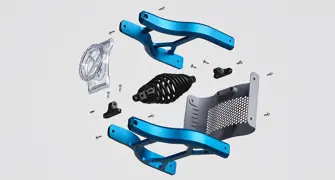
Titanium Parts Manufacturing
Capabilities and applications for titanium 3D-printed and machined parts
Certification + Compliance
ISO 9001:2015 | AS9100D | JOSCAR






What is Titanium?
| Titanium is a high-performance metal that delivers exceptional strength-to-weight ratio, corrosion resistance, biocompatibility, and the ability to perform in extreme environments. Its light weight and high strength make it ideal for aerospace, medical, and industrial applications where performance and precision are critical. |
Manufacturing for Custom Titanium Parts
| Titanium parts can be produced through both CNC machining and 3D printing at Protolabs. Each process offers distinct benefits depending on the geometry, performance requirements, and production needs of your part. |
CNC Machining
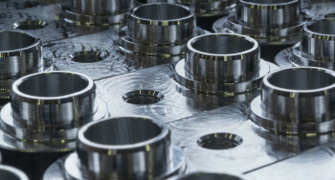
CNC machining provides exceptional precision and consistency for titanium parts. It’s a proven method for producing durable components that require tight tolerances and superior surface finishes.
- Excellent dimensional accuracy and surface finish
- Enables intricate, lightweight designs
- Ideal for low-volume production and prototypes
3D Printing
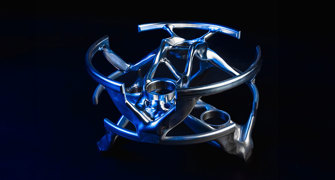
Using direct metal laser sintering (DMLS), titanium parts are built layer by layer to achieve complex geometries without the need for tooling. This process allows for design flexibility and minimal material waste while maintaining excellent mechanical strength.
- Comparable strength to wrought titanium
- Enables intricate, lightweight designs
- Ideal for low-volume production and prototypes
Types of Titanium Available
| Titanium parts at Protolabs are made using Grade 5 Ti 6Al-4V, the industry standard alloy known for its combination of strength, corrosion resistance, and machinability. |
| Process | Material | Ultimate Tensile Strength | Elongation | Hardness | Key Characteristics |
|---|---|---|---|---|---|
| CNC Machining | Ti 6Al-4V (Grade 5) |
951 MPa | 14% | 35-36 HRC | Aerospace-grade alloy with excellent strength and corrosion resistance |
| 3D Printing | Ti 6Al-4V | 993-1055 MPa | 15-18% | 33-35 HRC | Stress-relieved alloy with strength comparable to wrought titanium |
Finishing Titanium Parts
| Titanium naturally resists corrosion due to its oxide layer, but additional finishing can enhance surface performance, durability, and appearance. |
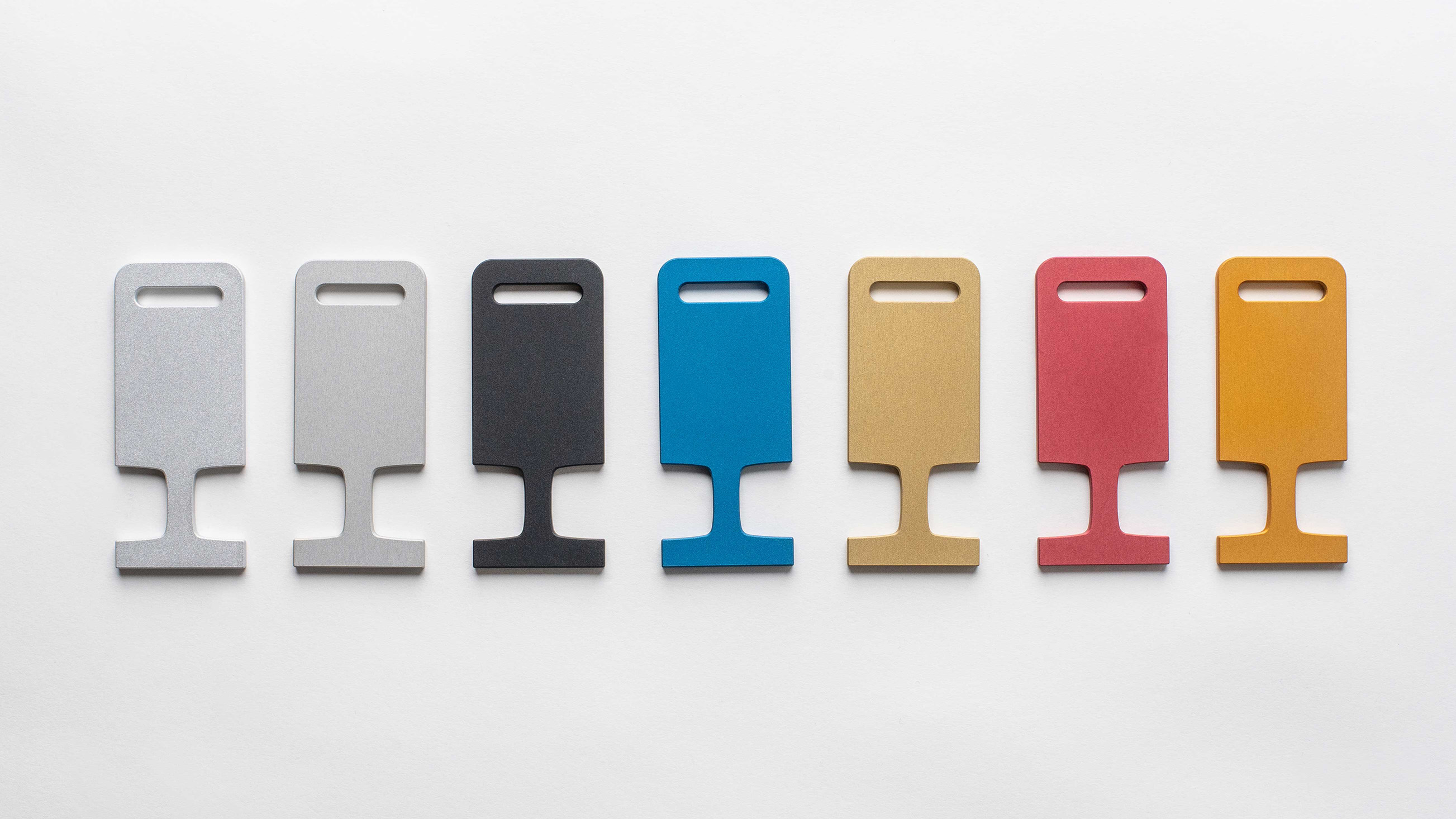
Anodising
Creates a controlled oxide layer that increases corrosion resistance and can add colour for identification or aesthetics. Commonly used in aerospace and medical applications.
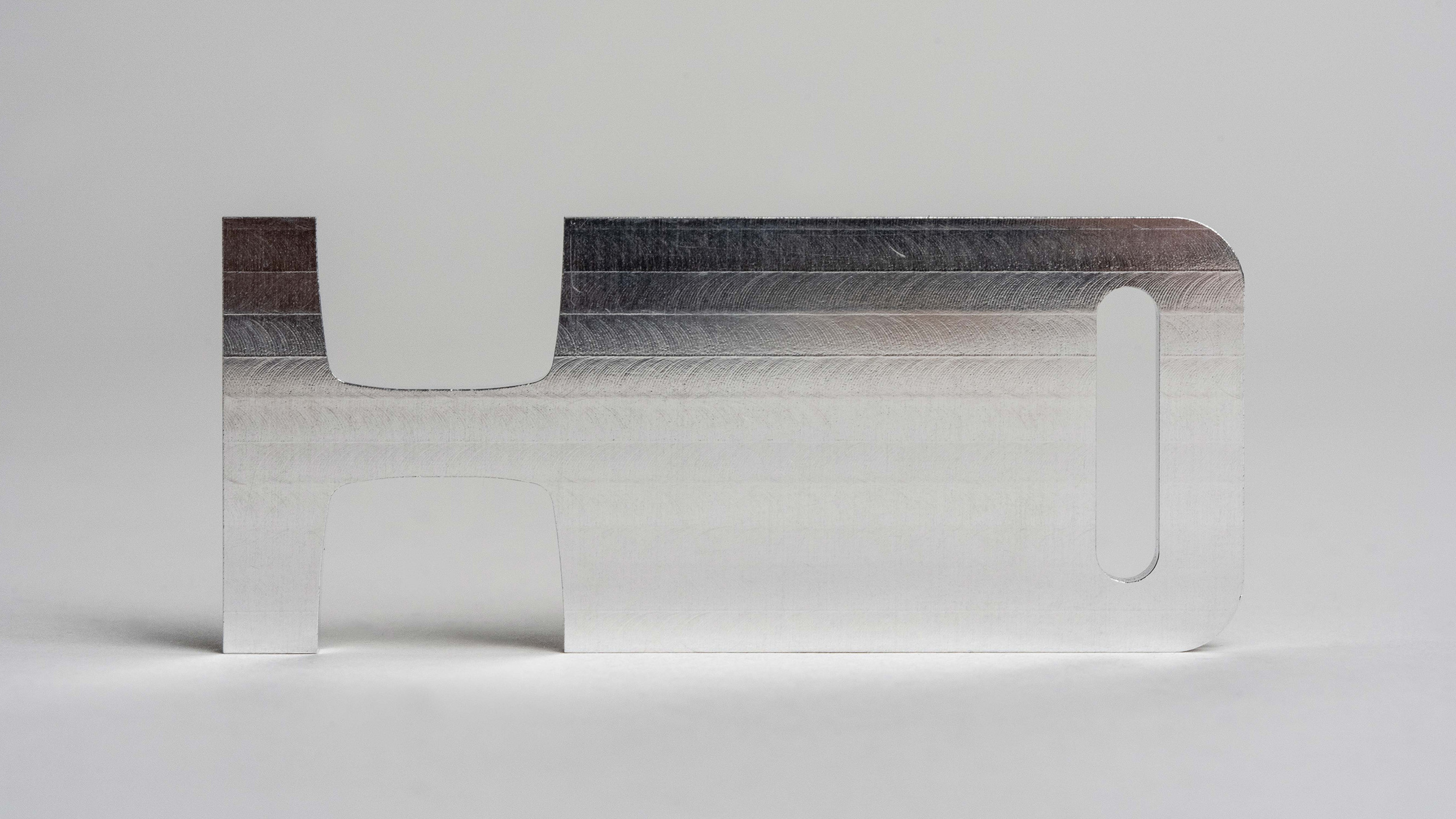
Chromate Plating
A conversion coating that improves corrosion resistance and provides a consistent, protective surface finish.
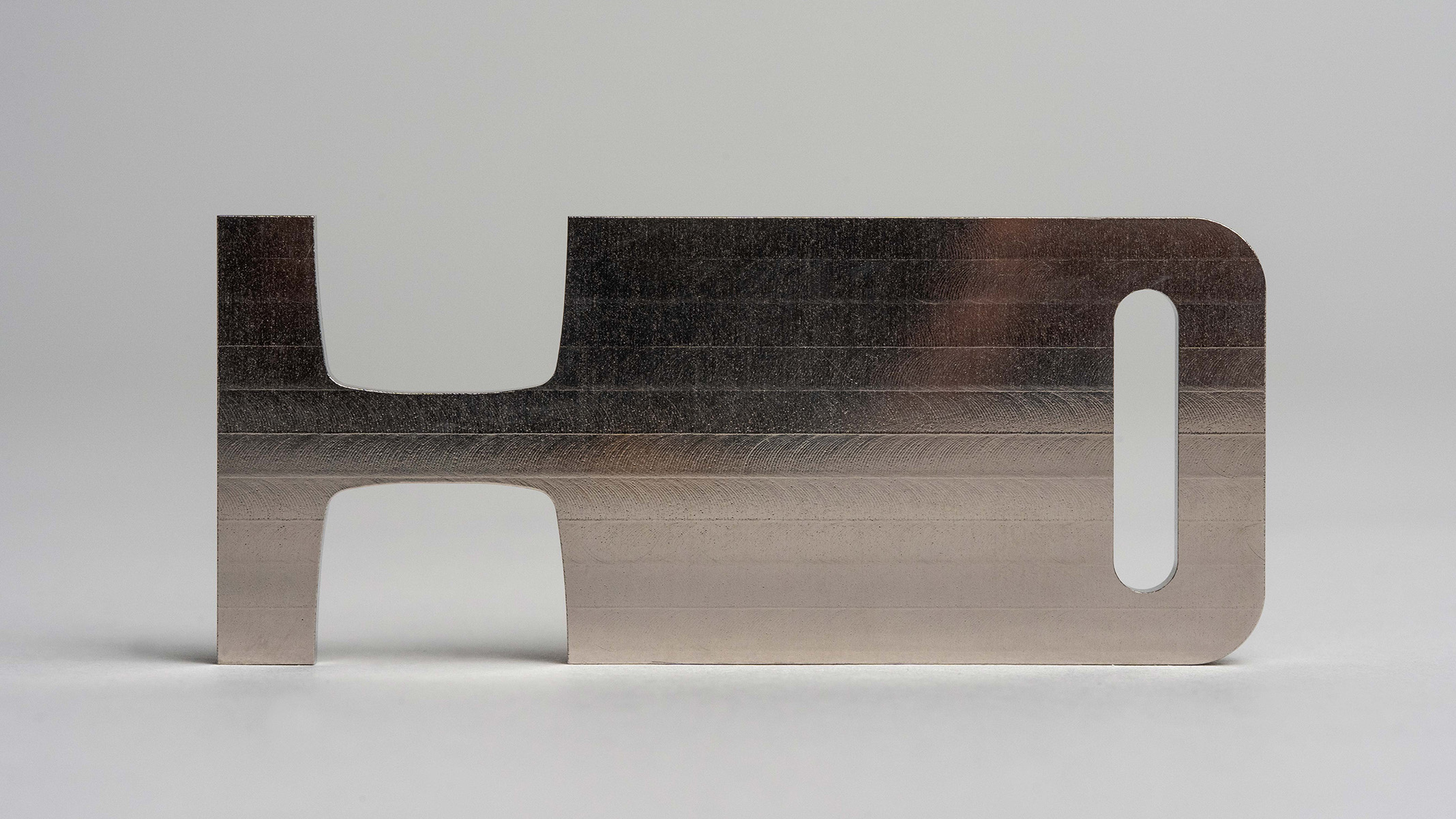
Nickel Plating (Electrolytic or Electroless)
Delivers a hard, corrosion-resistant coating ideal for complex or internal geometries. Service via Protolabs Network.

Powder Coating or Painting
Optional for colour or additional protection, though less common for titanium parts.
Common Applications for Titanium Parts

Aerospace Parts
Titanium’s exceptional strength-to-weight ratio makes it ideal for aerospace components such as compressor blades, airframe parts, and jet engine rings. Its ability to withstand extreme temperatures and resist corrosion helps reduce weight while maintaining structural integrity in flight-critical systems.

Medical Components
Titanium’s biocompatibility and corrosion resistance make it a trusted choice for medical and dental implants, as well as surgical instruments. It’s non-toxic, lightweight, and strong enough to endure repeated sterilisation and long-term use in the body.

Industrial and Marine Parts
In industrial and marine environments, titanium is used for pressure vessels, valves, and hardware exposed to harsh chemicals or saltwater. Its superior corrosion resistance and strength ensure long service life where other metals may degrade or fail.

Automotive and Consumer Products
Titanium’s combination of light weight and high strength makes it a premium material for performance-driven automotive components, bicycle frames, and sporting goods. It enhances efficiency and durability while providing a sleek, high-end appearance.