
MJF Lightweight 3D Printing Service
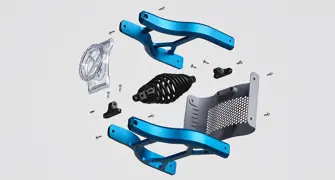
Produce strong, lightweight Multi Jet Fusion (MJF) parts for UAVs, drones, robotics, and aerospace applications. With HP MJF technology, you can reduce weight, consolidate assemblies, and move from prototype to production without tooling.
Certification + Compliance
ISO 9001:2015

What is MJF Lightweight 3D Printing?
This manufacturing process leverages the latest HP Multi Jet Fusion technology to produce strong, lightweight parts without tooling. Combined with technical expertise in part design and machine parameter optimisation, it enables complex, weight-optimised geometries and a seamless transition from prototype to production—making it ideal for applications such as UAVs, robotics, and aerospace.
Learn MoreWhy Choose MJF Lightweight?

Lightweight, high strength
Design lightweight structures with complex geometries, lattice features, and thin-wall designs. Optimised airframes under 500g for 1.5m wingspans help drones fly longer with larger payloads.

Eliminate tooling costs
Move quickly from prototype to production without injection mould tools, and reduce upfront cost and lead time.

Scale production on demand
MJF supports scalable production with the ability to produce tens of thousands of parts annually and high daily output in production environments.

Simplify assembly
Mechanical assembly of the final drone can be completed in under 30 minutes for optimised builds.

Accelerate development
Use the same material and process from prototype to production to enable rapid design iterations and faster launches. Iteration cycles take days instead of weeks.
Proven Performance at Scale
| Capability | Proof point |
|---|---|
| Minimum feature capability | Thin walls down to 0.5 mm |
| Lightweight UAV benchmark | <500 g airframe for 1.5 m wingspan |
| Assembly benchmark | <30 min mechanical assembly |
| Quadcopter output benchmark | >200 drones/day |
| Annual output benchmark | >60,000 drones/year per printer |
| Cost benchmark | Airframe estimate from $7.65 internal production |
| Injection moulding breakeven | Approx. 6,130–21,429 units depending on part |
MJF Lightweight vs. Traditional Manufacturing
Comparison with foamMJF can deliver foam-like lightweighting with better durability, improved design freedom, and more premium finishes. Foam can require reinforcement above 40 cm wingspans, according to HP’s UAV paper. |
Compared with carbon fibreCarbon fibre offers high strength, but often comes with higher labour, tooling, and scalability challenges. MJF supports lightweight production with faster iteration and reduced assembly complexity. |
Comparison with injection mouldingMJF eliminates the need for mould investment and is cost-effective for prototyping, bridge production, and mid-volume manufacturing. HP’s example shows that injection moulding reaches breakeven only after thousands of parts. |
MJF Lightweight 3D Printing Applications
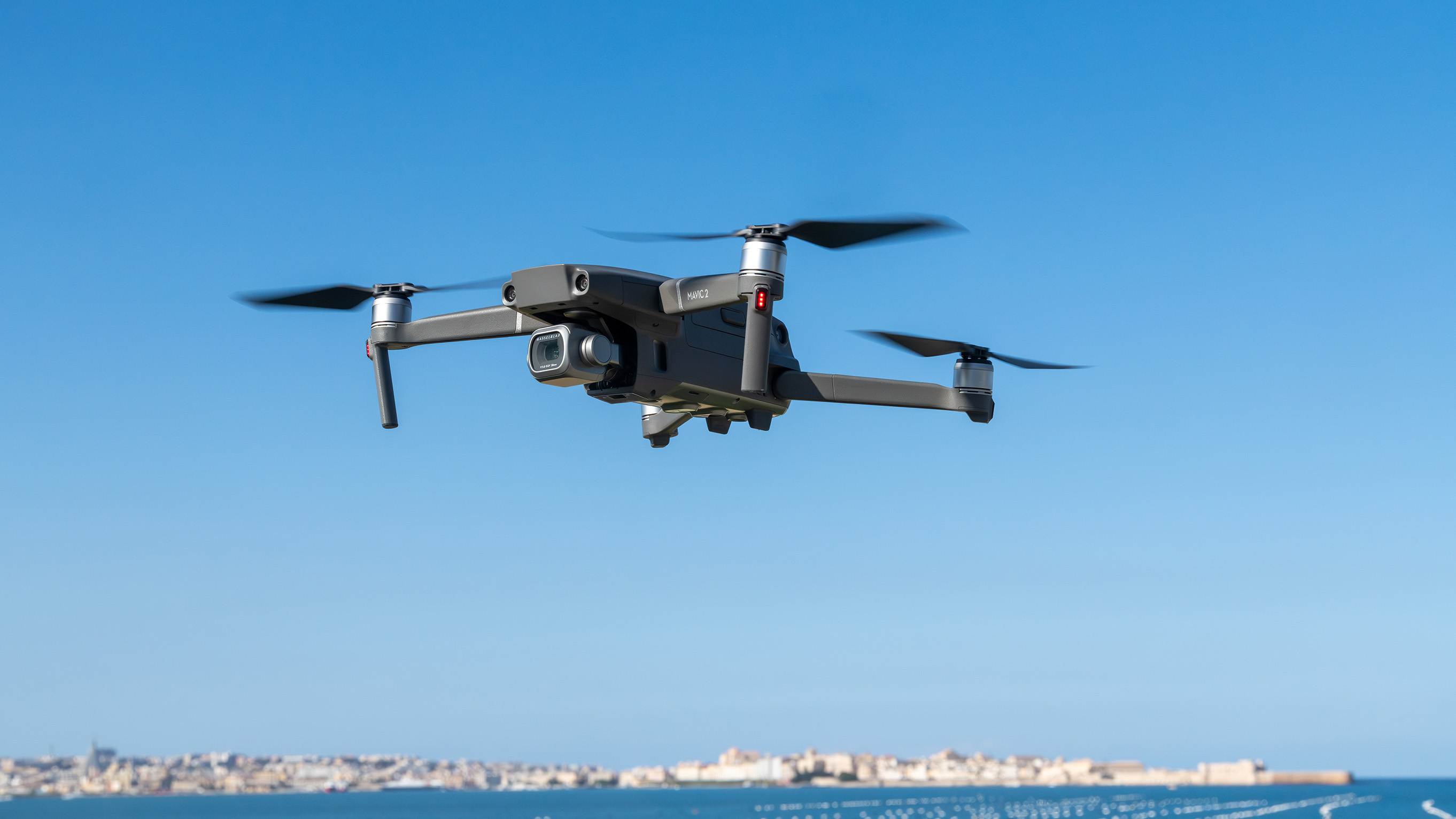
UAVs and dronesLightweight airframes, motor mounts, electronics housings, payload structures, camera fairings, and aerodynamic covers. |

Aerospace and advanced engineeringComplex geometries, consolidated assemblies, and weight-optimised parts for demanding applications. |
FAQs
What is MJF lightweight 3D printing used for?
expand_less expand_moreMJF lightweight 3D printing is used to produce strong, lightweight parts for applications such as UAVs, drones, robotics, and aerospace. It’s ideal for functional prototypes, end-use parts, and low- to mid-volume production.
How does MJF help reduce part weight?
expand_less expand_moreMJF enables thin walls, internal structures, and part consolidation, allowing engineers to remove unnecessary material while maintaining strength. This results in improved strength-to-weight ratios compared to traditional manufacturing.
Is MJF suitable for production or just prototyping?
expand_less expand_moreMJF is suitable for both prototyping and production. It uses the same materials and processes across all stages, allowing a seamless transition from prototype to end-use parts without the need for retooling.
How does MJF compare to injection moulding?
expand_less expand_moreUnlike injection moulding, MJF doesn’t require tooling, which reduces upfront costs and lead times. It’s more cost-effective for low- to mid-volume production and enables faster design changes.
What are the advantages of MJF for drone and UAV parts?
expand_less expand_moreMJF allows for lightweight airframes, integrated components, and complex aerodynamic designs. It also reduces assembly time and enables faster iteration, helping to improve overall performance and time-to-market.
What volumes is MJF best suited for?
expand_less expand_moreMJF is ideal for low- to mid-volume production, typically ranging from a single part up to tens of thousands of units - without the need for tooling.
How fast is MJF 3D printing?
expand_less expand_moreMJF enables rapid production and iteration. Parts can be produced in days, and designs can be quickly updated without delays from tooling or setup changes.
Can MJF parts replace traditionally manufactured parts?
expand_less expand_moreYes, MJF parts are often used as end-use components and can replace parts made with injection moulding, machining, or foam, depending on the application and requirements.