

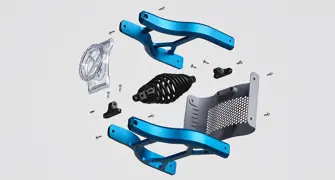
Medical CNC Machining
Accelerate medical device development and market introduction using rapid prototyping, bridge production and low-volume production
Certification + Compliance
ISO 9001:2015 | ISO 13485:2016






CNC Machining for the Medical Industry
Digital manufacturing offers the speed and precision required for medical component prototyping and production. Our CNC machining services support engineers and device developers in the medical industry by offering:
- Ability to prototype in production-grade materials
- Design for manufacturability (DFM) feedback with every quote
- Hundreds of plastics and metals available, some high-temperature resistant
- Low-volume and precise production parts in as fast as one day
- Post-processing such as anodising and plating
- Quality certifications: ISO 9001:2015
CNC Machining Processes for Medical Devices
CNC Milling
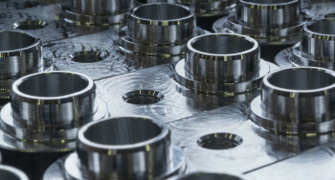
CNC milling is a subtractive manufacturing process that uses 3-axis milling and 5-axis indexed milling processes to cut solid plastic and metal blocks into final parts.
CNC Turning
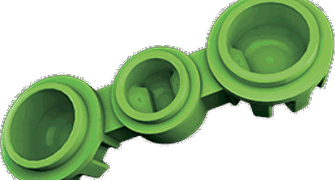
CNC turning with live tooling combines both lathe and mill capabilities to machine parts with cylindrical features from metal rod stock.
Protolabs Network
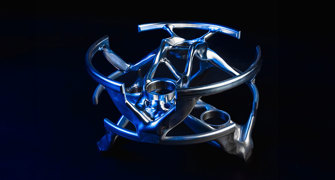
Our manufacturing network provides advanced CNC machining capabilities like tighter tolerances, volume pricing, and anodising options.
Materials for CNC Machined Medical Parts
We offer an array of machinable materials including thermal- and chemical-resistant plastics, as well as medical-grade alloys;
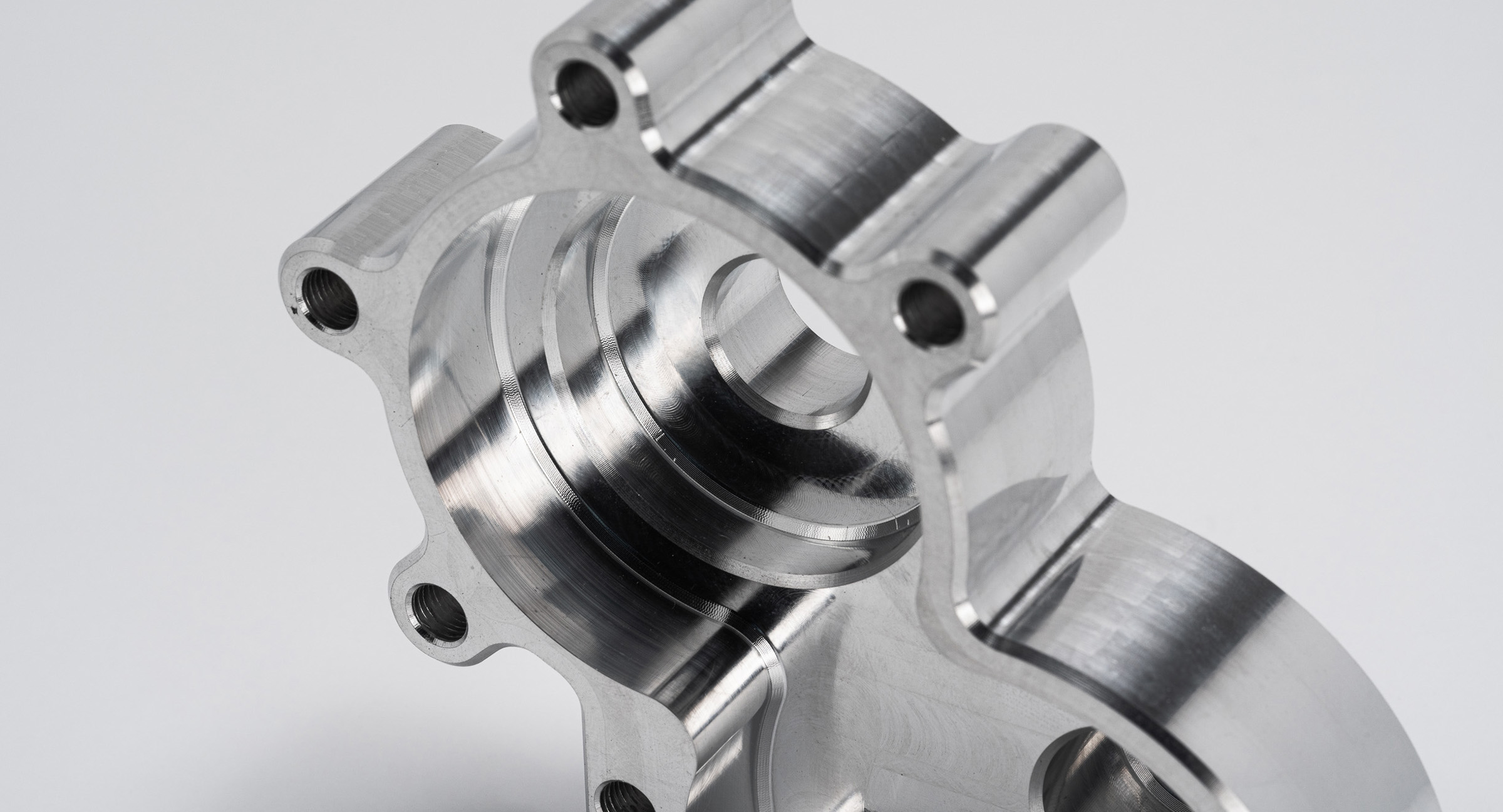
Aluminum, Titanium, and Inconel
These metals offer temperature resistance and are a great fit for medical components and instruments.
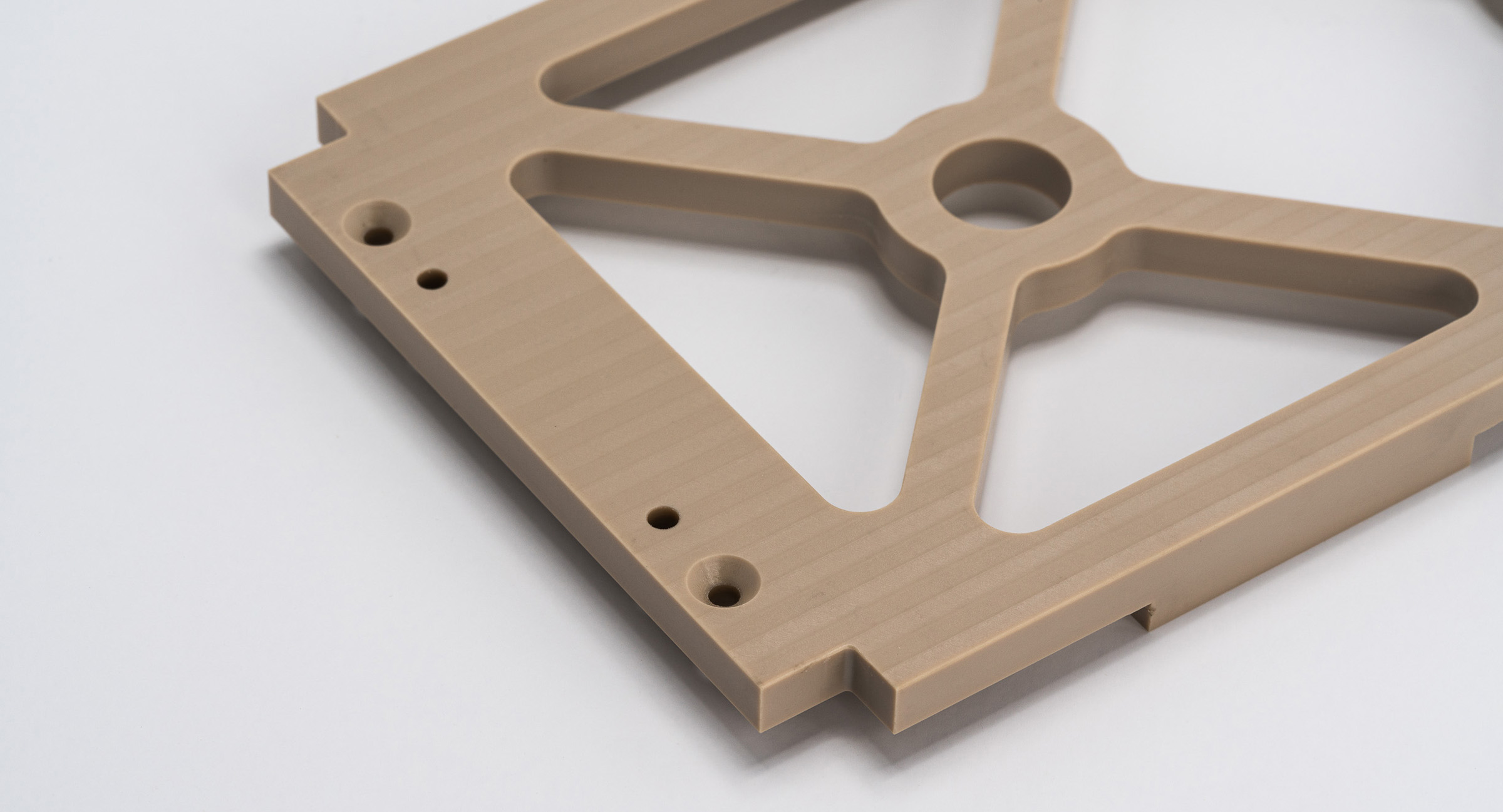
PEEK and PEI (Ultem)
These high-temperature plastics are creep resistant and suited for applications that require sterilisation.
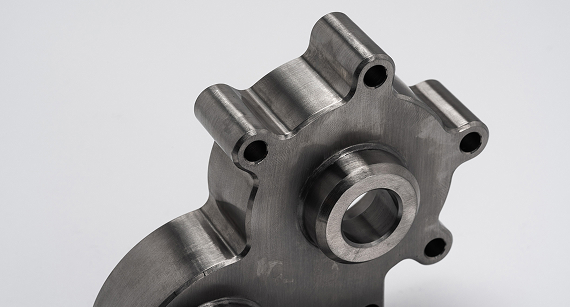

CNC Machining for Medical Device Applications
From connected devices to mass personalization of healthcare products, digital manufacturing can significantly accelerate development.
CNC machining is commonly used to produce medical products and components such as:
Diagnostic Equipment
Machining offers the high prevision and tight tolerances required to build out this type of equipment. A highly reliable and accurate manufacturing method, it also allows for manufacturing of parts with complex shapes to ensure tight fits in component parts, whether using plastics or metals.
Enclosures and Housings
The precision nature of machining can ensure that parts fit snugly together, preventing infiltration of dust and other debris that could affect the accuracy of sensitive medical equipment, should it enter an enclosure. Moreover, many of the materials are easily clean and some can even tolerate the heat of sterilisation.

Prosthetic components
These parts require the kind of smooth surfaces that CNC machining excels at creating quickly and accurately. Prosthetics that aren’t smooth can cause discomfort or even fail due to friction, so surface finish is a core element of these products. Lightweight, yet strong, materials available for machining such as titanium and some nylons, are biocompatible to avoid rejection by the body.
Surgical instruments
Machining has a reputation for creating high-quality, repeatable parts. As mentioned earlier, it leaves excellent surface finishes, something critical for intricate surgical procedures. Many materials available for machining are corrosion- and heat-resistant, so sterilisation is simple and effective for the life of the instrument.
Wearables
CNC machining is known for making small parts—even complex ones—with high accuracy. In fact, our factories can create parts as small as 0.25 in. by 0.25 in. (6.35mm by 6.35mm) and our network of trusted suppliers can make even smaller parts down to 0.019 in. (0.50mm). The tight confines of wearable technologies require that kind of miniaturization to make successful consumer/patient products.
Additional Resources


