
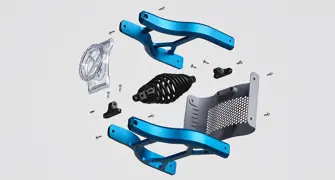
Anodising
Fast, durable anodising for aluminium parts with corrosion resistance, wear protection, and premium finishing options.

What is Anodising?
| Anodising is an electrochemical process that converts the surface of aluminium into a durable, corrosion-resistant oxide layer. This controlled oxide film enhances wear resistance, improves aesthetics, and provides long-term surface protection. |
Benefits of Anodising

Enhanced corrosion resistance
The anodised oxide layer forms a protective barrier that prevents degradation in harsh environments, improving the lifespan of aluminium components.
Improved wear resistance
Hard anodising delivers exceptional surface hardness—ideal for applications exposed to friction, sliding contact, or abrasive environments.
Aesthetic improvements
Decorative anodising provides a clean, uniform appearance suitable for consumer products, enclosures, and visible mechanical components.

Anodising Services in Protolabs
Protolabs’ anodising service delivers durable, corrosion-resistant and visually enhanced aluminium components, available as a seamless secondary process alongside our CNC machining service. With fast lead times, no minimum order quantities, and automated quoting, you can go from CAD to anodised production parts in just a few days.
Capabilities of Anodising
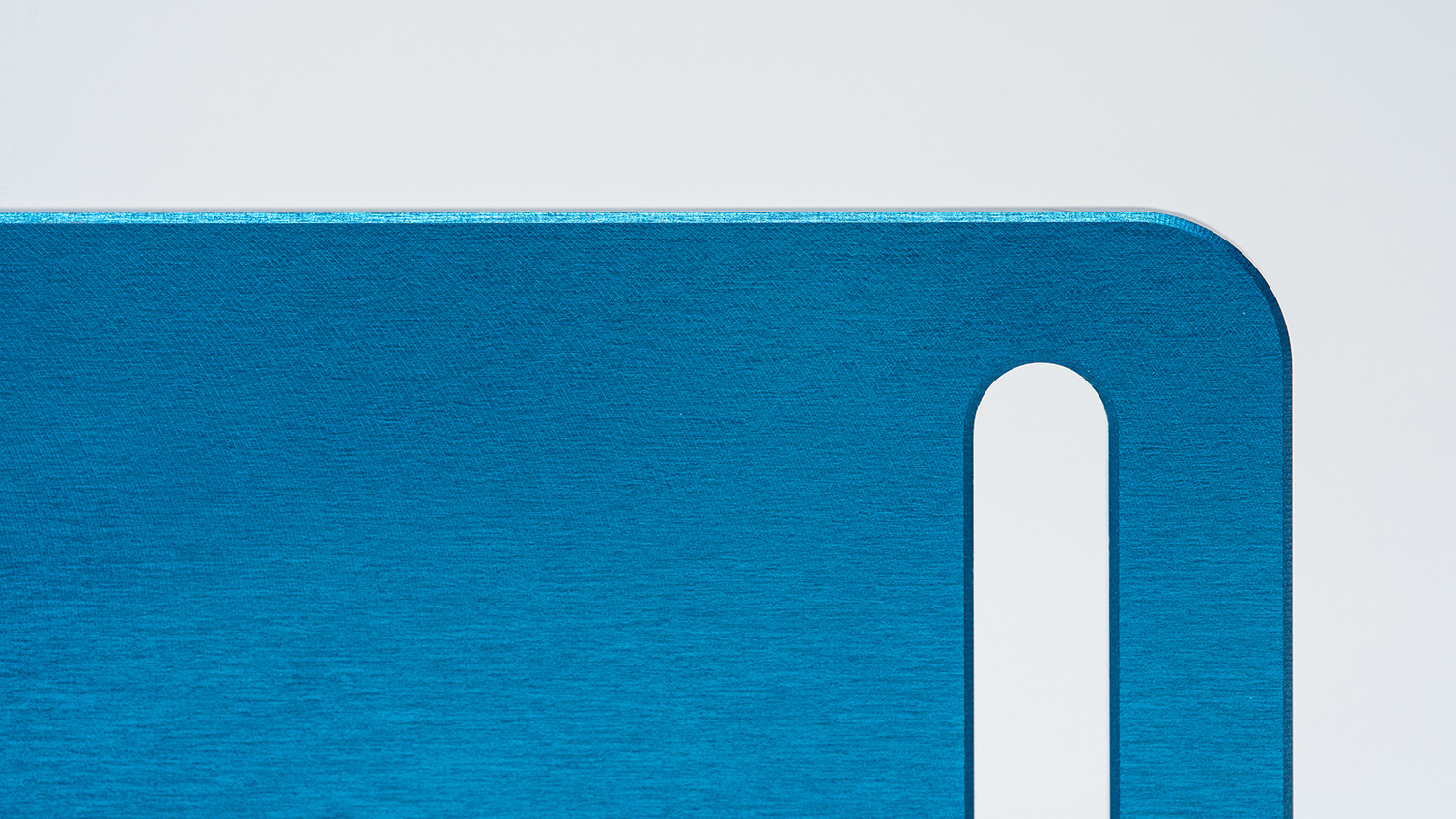
Type II Decorative Anodising (ISO 7599)
- Ideal for aesthetic and corrosion protection applications
- Available in clear and black
- Suitable for consumer products, housings, and visible components
- Available for Aluminium 6082 and Aluminium 7075
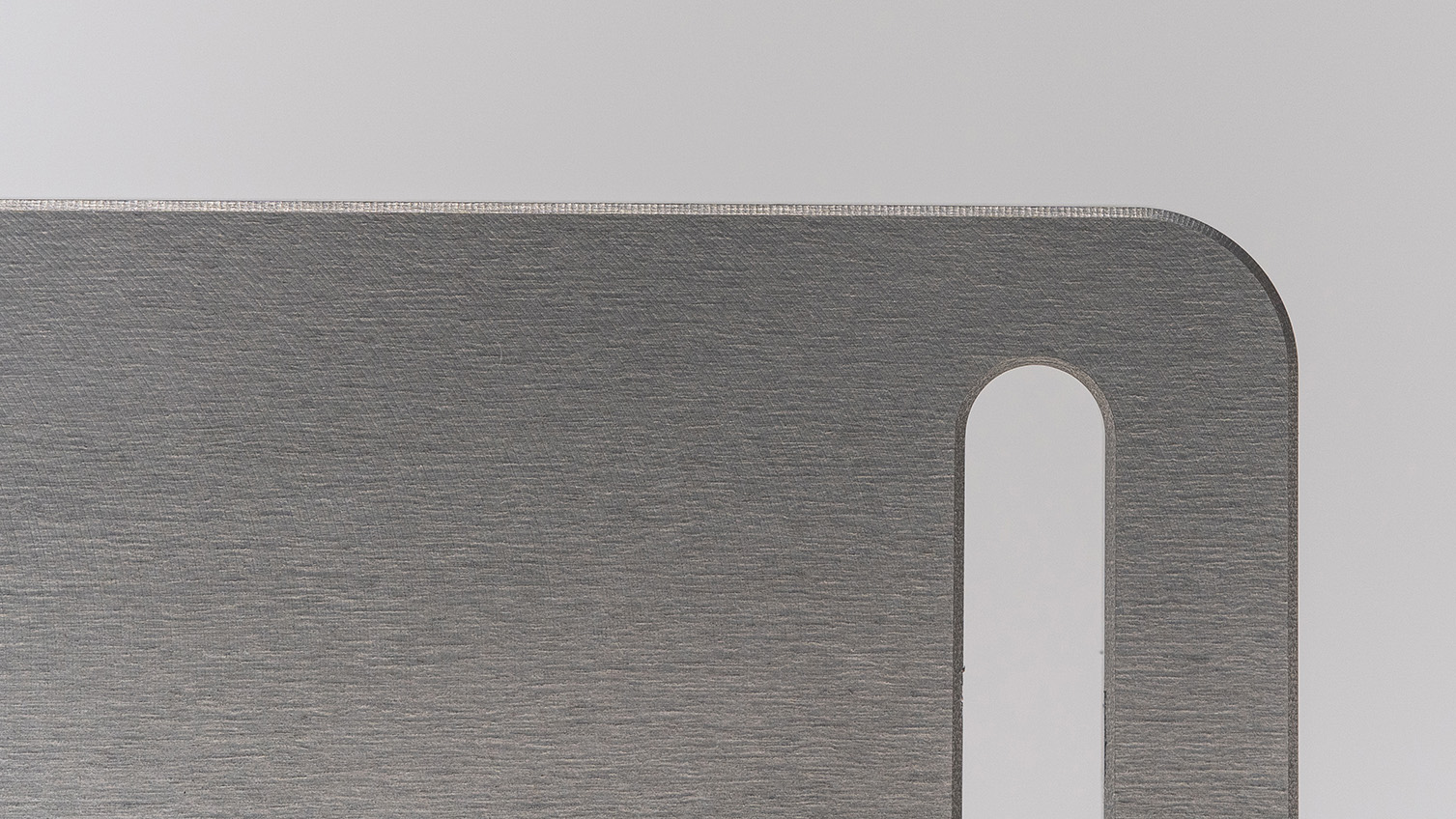
Type III Hard Anodising (ISO 10074)
- Delivers the most durable anodised finish
- Resistant to wear, abrasion, and chemical exposure
- Available in clear and black
- Available for Aluminium 6082 and Aluminium 7075
Why Combine CNC Machining and Anodising with Protolabs?

Fast Turnaround
Get fully anodised CNC parts just +5 days after CAD upload, keeping development cycles short and production moving.

No Minimum Order Quantities
Order exactly what you need, from prototype one-offs to low-volume production runs.

Simple Vendor Management
Receive an all-inclusive, interactive quote that covers machining and anodising in one place. No need to coordinate multiple suppliers.

Consistent Quality
We provide ISO-compliant anodising with RoHS-compliant production, ensuring reliable, repeatable results for every project.
Blanking, Plugging & Masking Options
In Protolabs we offer:
- Blanking/plugging of threaded holes: Note: At least one thread is used for jigging and will remain uncoated
- Different finish results: Smooth finish (as-machined + etching); Matte finish (light bead-blast + etching)
|
More capabilities are available in the Protolabs Network. |

FAQs
What is anodising?
expand_less expand_moreAnodising is an electrochemical process that converts the surface of aluminium into a durable oxide layer. This protective coat improves corrosion resistance, surface hardness, and appearance.
What materials can be anodised?
expand_less expand_moreAnodising is typically applied to aluminium. At Protolabs, we currently anodise Aluminium 6082 and 7075 using both decorative anodising and hard anodising.
What is the difference between decorative anodising and hard anodising?
expand_less expand_more- Decorative anodising (ISO 7599): Thinner coating for visual appeal and moderate corrosion resistance.
- Hard anodising (ISO 10074): Thicker, tougher coating ideal for high-wear or industrial applications.
What colour options are available?
expand_less expand_moreWe offer:
- Decorative anodising: Clear and black
- Hard anodising: Clear and black
How thick is the anodised coating?
expand_less expand_more- Decorative anodising: Typically 5–25 microns
- Hard anodising: Typically 25–50+ microns
Exact thickness depends on the chosen process and part requirements.
Does anodising change part dimensions?
expand_less expand_moreYes, the anodised layer grows both into and out of the aluminium surface.
For precision parts, allowances may be needed in the design to achieve final dimensions.
Can all surfaces be anodised?
expand_less expand_moreMost surfaces can be anodised, but:
- Threaded holes may require plugging
- Masking of specific areas is not available at Protolabs
- At least one thread in a hole must remain uncoated for jigging
Does anodising improve corrosion resistance?
expand_less expand_moreYes. Anodising forms an oxide layer that greatly improves corrosion resistance, especially useful for outdoor, marine, or industrial environments.