
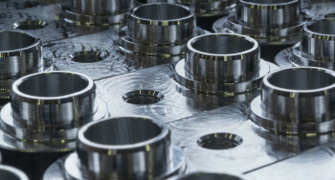
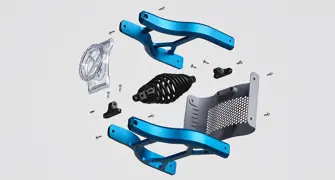

From automotive brackets to industrial fixtures, mild steel is a mainstay of modern manufacturing because it is affordable, machinable, and dependable. Need a material that’s strong, low-cost, and simple to work with? Mild steel ticks all the boxes. This type of low-carbon steel is widely used for everything from prototypes to full production, making it a great option for CNC machining across many industries.
What is Mild Steel
Mild steel is a type of low‑carbon steel that contains about 0.05–0.25% carbon. This low carbon content makes it flexible, easy to weld, and strong enough for most projects. Softer than higher‑carbon steels, it machines easily and won’t wear out tools quickly.
Mild Steel in Manufacturing
Mild steel is a top choice for CNC machining and sheet metal work. Engineers pick it for automotive parts, beams, and fixtures when they need strong, affordable material. It’s less suited for parts that need very high hardness or strong corrosion resistance, where alloys or stainless steel work better. But for the vast majority of everyday manufacturing needs, mild steel delivers the right mix of strength, cost-effectiveness, and reliability.

Types of Mild Steel
Different grades of mild steel cater to specific manufacturing requirements, each offering unique properties for various applications.
- S275: General-purpose grade with 275 MPa minimum yield strength, ideal for structural and engineering applications
- S355: Higher strength option with improved mechanical properties while maintaining excellent formability
- Free-cutting grades: Enhanced with sulphur or lead additives for superior machinability and faster cycle times
- Hot-rolled variants: Cost-effective option for less precise applications requiring good formability
- Cold-rolled grades: Superior surface finish and dimensional accuracy for precision components
Mild steel is one of the many metals available through Protolabs Europe, and there are additional mild steel options also available through Protolabs Network.
| Grade | Description | Tensile Strength (MPa) | Yield Strength (MPa) | Young's Modulus (GPa) | Elongation (%) | Available Through |
|---|---|---|---|---|---|---|
| S275JR | Low carbon structural steel with good machinability and weldability | 450-580 | 265-340 | 217 | 14-20 | Protolabs & Protolabs Network |
| A36 | Common structural steel suitable for industrial applications | 400-550 | 250-290 | 200 | 20-23 | Protolabs Network |
| S235JR | Hot-rolled structural steel with good plasticity and weldability | 360-510 | 235-295 | 210 | 17-20 | Protolabs Network |
| 1045 | Medium carbon steel with good weldability and machinability | 625-780 | 415-530 | 205 | 12-17 | Protolabs Network |
| S355J2 | Higher strength structural steel with high tensile strength | 510-680 | 355-395 | 210 | 20-22 | Protolabs Network |
| C45 | Medium carbon steel with good strength and impact resistance | 630-780 | 430-580 | 210 | 14-17 | Protolabs Network |
| 1018 | General-use alloy with good machinability and weldability | 440-500 | 370-415 | 205 | 15-20 | Protolabs Network |
Material Comparison: Mild Steel vs. Stainless Steel vs. Aluminium
Understanding how mild steel compares to other common engineering materials helps inform material selection decisions for your manufacturing projects.
| Property | Mild Steel | Stainless Steel | Aluminium |
|---|---|---|---|
| Density | 7.85 g/cm³ | 8.0 g/cm³ | 2.70 g/cm³ |
| Tensile Strength | 400-550 MPa | 515-827 MPa | 90-300 MPa |
| Yield Strength | 250-400 MPa | 207-310 MPa | 35-270 MPa |
| Machinability | Excellent | Good | Excellent |
| Corrosion Resistance | Poor (requires coating) | Excellent | Good |
| Cost | Low | High | Medium |
| Weldability | Excellent | Good | Good |
Advantages of Using Mild Steel
Mild steel is popular because it’s practical and easy to work with, helping keep projects cost-effective and efficient.
- Low-cost: Around 30–50% cheaper than stainless steel, making it a smart choice for large projects.
- Available in many forms: Comes in sheets, plates, bars, and sections making it easy to match with different project needs.
- Formable: High ductility lets it handle deep drawing and intricate designs without cracking.
- Strong: A good strength-to-weight ratio makes it work where durability is required like for automotive brackets, industrial fixtures, and structural components.
- Easy to weld: Low carbon content means strong, reliable joints without complicated prep so it’s ideal for assemblies.
- Good machinability: Cuts cleanly for CNC milling, turning, and other processes.
- Repairable: If something breaks, it can be welded or mechanically fixed, extending part life and reducing replacement costs.
Common Applications of Mild Steel
Mild steel finds use across many sectors because its properties match the needs of these industries.
- Automotive: Strength at low cost makes it work for chassis parts, brackets, and panels.
- Industrial Equipment: Easy machining and availability in large sizes suit machine frames, conveyors, and tooling bases.
- Construction & Architecture: Weldability and ductility support structural steelwork, reinforcement, and safety barriers where strong, reliable joints matter.
- Consumer Electronics: Formability and finishing options deliver durable, cost-effective parts and fittings with good aesthetics.
Mechanical Properties of Mild Steel
The low carbon content gives mild steel its trademark balance of strength, ductility, and ease of machining.
| Property | Typical Range / Value | Why it Matters |
|---|---|---|
| Carbon content | 0.05% – 0.25% | Low carbon means excellent ductility and weldability. |
| Tensile strength | 400 – 550 MPa | Provides enough structural capability for most general uses. |
| Yield strength | 250 – 400 MPa | Varies with grade and treatment; defines load before permanent deformation. |
| Hardness | 120 – 200 HB (Brinell) | Soft enough for good machinability with standard tools. |
| Elastic modulus | ~200 GPa | Predictable stiffness for design calculations. |
| Elongation | 20 – 25% | Can deform significantly before fracture, adding toughness. |
Common Post-Processes
Mild steel can be treated in different ways to boost its performance and lifespan.
Heat Treatments
- Case hardening: Creates a hard, wear-resistant surface while maintaining a tough, ductile core.
- Normalising: Refines grain structure and relieves stress from machining operations.
- Anneeling: Reduces hardness for improved formability and machinability.
- Stress relieving: Eliminates internal stresses without altering mechanical properties.
Surface Protection
- Zinc plating: Cost-effective corrosion protection for indoor and mild outdoor use.
- Powder coating: Tough, good-looking finish with strong impact and chemical resistance.
- Paint: Flexible option with lots of colours and textures.
- Hot-dip galvanising: Best protection for outdoor and harsh environments.
In practice, engineers pick finishing options based on end use: case hardening for wear, galvanising for outdoor parts, powder coating for when looks matter.
Mild Steel for Prototyping & Production
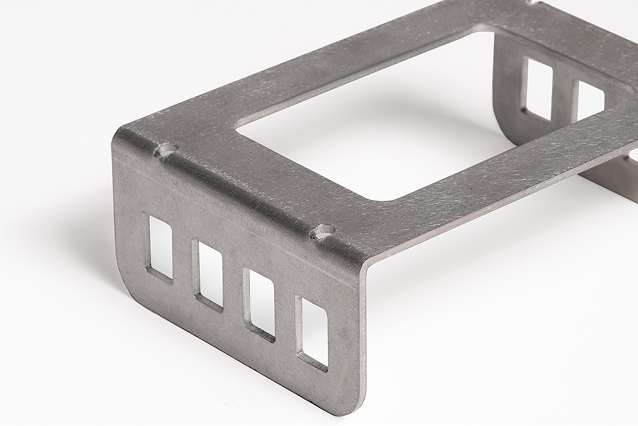
Mild steel works well from first ideas to final parts because it’s affordable, predictable, and easy to scale.
- Prototyping: Readily available and low-cost, so it’s easy to test and refine designs quickly. Lead times from as fast as one day mean engineers can move from concept to part without delay.
- Production: The same setups scale smoothly into larger runs. Stable supply supports fast lead times, consistent material properties deliver repeatable quality, and cost advantages increase with volume.
Factors to Consider When Choosing Mild Steel
When picking the right mild steel grade, keep these elements in mind:
- Environment: Will the part face moisture, outdoor use, or high heat?
- Mechanical needs: What strength, ductility, or fatigue resistance does it require?
- Manufacturing fit: Does it need to machine easily, weld cleanly, or form into complex shapes?
Quick Decision Tree
Not sure which grade is right? Our engineering team can help. With deep experience in manufacturing metal parts, we’ll match the best option to your project. Reach out at [email protected].
FAQs
What is mild steel best used for?
expand_less expand_moreIt’s a go-to when you need a balance of strength, easy machining, and low-cost. You’ll see it in car parts, industrial equipment, building structures, and everyday components where corrosion resistance isn’t a big concern.
Can mild steel be heat treated?
expand_less expand_moreYes. Processes like normalising, case hardening, and stress relieving all work. Just note that it won’t harden all the way through because of the low carbon content.
Does mild steel rust?
expand_less expand_moreYes, unless it’s protected with coatings like paint, powder coating, zinc plating, or galvanising. That’s why surface protection is often added for outdoor or moisture-prone environments.
Get Started
Ready to use mild steel's many advantages for your next project? Upload your CAD files for instant pricing and lead times on high-quality mild steel components.


