

CNC Machining for Aluminium Parts
Aluminium offers excellent machinability, durability, low weight, and low cost for a variety of parts in a variety of industries
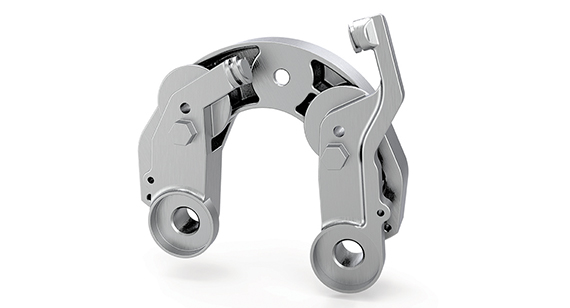
Designers and engineers frequently choose aluminium and aluminium alloys for CNC machining and CNC milling parts. This all-purpose metal has been proven to offer:
- Excellent machinability
- High strength
- Hardness
- Heat tolerance
- Corrosion resistance
- Electrical conductivity
- Low weight
- Low cost
- Overall versatility
Material Properties
Aluminium 2024-T3/T351 | 3.1355 | AlCu4Mg1, Aluminium 5083-H111 | 3.3547 | AlMg4.5Mn0.7, Aluminium 6082-T6/T651 | 3.2315 | AlSi1MgMn, Aluminium 7075-T6/T651 | 3.4365 | AlZn5.5MgCu, Aluminium 7075-T7351 | 3.4365 | AlZn5.5MgCu, Aluminum 6061-T651 | 3.3211 | 65028 | AlMg1SiCu
| Temper | Ultimate Tensile Strength | Elongation (at break) | Hardness | More Details | |
|---|---|---|---|---|---|
| Aluminium 5083 | H111 | 300 MPa | 13% | 75 HB | Data Sheet |
| Aluminium 6061 | T651 | 310 MPa | 17% | 95 HRB | Data Sheet |
| Aluminium 6082 | T6/T651 | 280 MPa | 6% | 95 HB | Data Sheet |
| Aluminium 2024 | T3/T351 | 469 MPa | 19% | 120 HB | Data Sheet |
| Aluminium 7075 | T6/T651 | 500 MPa | 6% | 150 HB | Data Sheet |
| Aluminium 7075 | T7351* | 470 MPa | 7% | 135 HB | Data Sheet |
*7075-T7351 exhibits improved fracture toughness and fatigue strength, over 7075-T651
These values are approximate averages, for the exact range of UTS, elongation and hardness, please refer to the supplier data sheet.
Aluminium Alloys for Machining
Protolabs offers several aluminium alloys in its long list of available manufacturing materials. Two of those alloys are especially well-suited material options for CNC machining, whether milling or turning: Aluminium 6082 and 7075.
Aluminium 2024:Benefits include high strength, fatigue resistance and good machinability. See data sheet for more information.
Aluminium 5083: Benefits include high strength, weldability, exceptional performance in extreme environments, highly resistant to attack by seawater and industrial chemical environments. See data sheet for more information.
Aluminum 6061 T651: Though not as strong as other types of Aluminum, this alloy offers the best corrosion resistance and appearance after anodising. See data sheet for more information.
Aluminium 6082: Benefits include good weldability, brazeability, corrosion resistance, formability and machinability, it also has good finishing characteristics and responds well to anodising. See data sheet for more information.
Aluminium 7075: Benefits include high strength, hardness, low weight, corrosion resistance, and high heat tolerance. See data sheet for more information.
Both variants of 7075 share the same chemical composition. Benefits of 7075-T7351 over 7075-T651 include fracture toughness and fatigue strength. Making it especially suitable for fatigue applications and use in low temperatures (cryogenic).

Machined Aluminium Applications
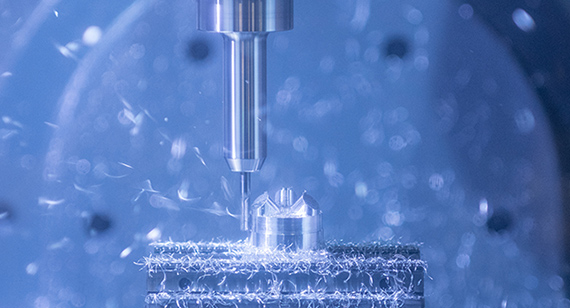
Aluminium parts can be found everywhere, in a range of industries, especially automotive, aerospace, industrial equipment and machinery, and consumer and computer electronics.
- Automotive parts (light-weighting provides high strength-to-weight ratio)
- Housing, brackets, and other components for aerospace use that must support heavy load capacities but be light weight
- Fixtures, calipers, and a variety of other parts for industrial equipment
- Enclosures, panels, consoles, knobs, housing, and other applications for consumer and computer electronics

Anodising Options for CNC Machined Aluminium Parts
Anodising is one of the most common finishing options, offering strong corrosion protection and enhancing the overall appearance of metal parts. Two types of aluminium anodising are available from Protolabs:
- Type II-Sulfuric Acid: Provides an exceedingly durable finish. Usage examples include: carabiner hooks, flashlight handles, motorcycle parts, and hydraulic valve bodies.
- Type III-Hard Anodise or Hardcoat: This is the thickest and hardest anodise available, and has a wide range of applications for parts and products in automotive, aerospace, heavy equipment, marine industry and general manufacturing.


