ABS Plastic
Acrylonitrile Butadiene Styrene (ABS) plastic is a widely used thermoplastic polymer known for its versatility, durability, and ease of processing
Protolabs ABS Capabilities
| ABS is popular in various industries and applications, including automotive parts, consumer goods, electronics, and toys. We offer ABS and ABS-like materials through the following services: |


How are ABS Parts Manufactured?
| ABS plastic parts can be produced using various manufacturing processes. The ideal production method is influenced by quantity needed, geometry, and the desired properties of your part. Some common methods include: |
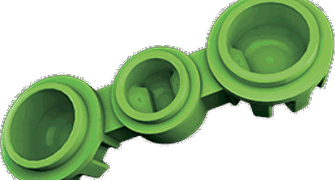
- Injection moulding: Injection moulding is the most common process used to manufacture ABS plastic parts. The service is suitable for producing high volumes of complex parts with precise dimensions and intricate details.
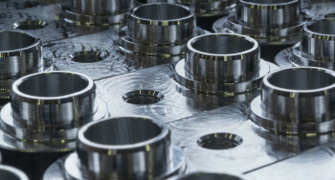
- CNC machining: The material can also be machined using computer numerical control (CNC) milling or turning machines. CNC machining is suitable for producing low-volume or customised ABS parts with tight tolerances.
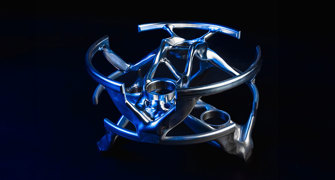
- 3D printing: ABS plastic is a popular material for 3D printing, especially with FDM (Fused Deposition Modelling) 3D printers. There are also many ABS-like materials available for SLA 3D printing. This route allows for the production of complex geometries and prototypes with relatively low setup costs compared to traditional processes like injection moulding.
- Extrusion: ABS can be extruded to create continuous profiles, such as tubes, rods, and sheets. The extruded ABS can be cut into specific lengths to produce parts.
- Blow moulding: Blow moulding is typically used for producing hollow ABS plastic parts, such as bottles, containers, and automotive components. The process involves inflating a molten ABS plastic tube inside a mould cavity, creating the desired shape as it cools and solidifies.
- Thermoforming: Thermoforming is a process used to produce ABS plastic parts from sheets. The ABS plastic sheet is heated until it becomes pliable, and then it is stretched over a mould and cooled to take on the desired shape. Thermoforming is commonly used for producing packaging, trays, and automotive interior components.
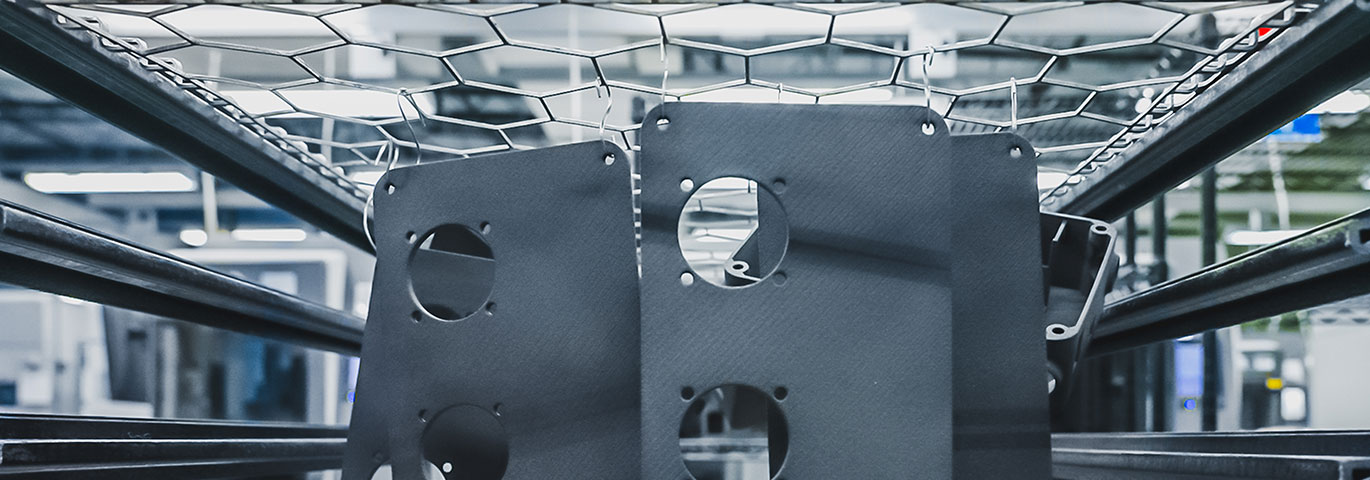
ABS-like plastics are commonly used in 3D printing along with finishing options to expand applications.
Advantages and Disadvantages of ABS
Advantages of ABS
|
Disadvantages of ABS
|
Applications of ABS
| ABS plastic is used to produce a wide range of products across various industries. Some common industries and types of products made out of ABS plastic include: |
- Consumer electronics: ABS plastic is commonly used in the production of consumer electronics such as computer keyboards, computer mouse, remote controls, phone cases, and audio/video equipment housings. Its impact resistance, versatility, and electrical insulation properties make it suitable for these applications.
- Automotive parts: The material is widely used in the automotive industry for various interior and exterior components. Examples include dashboards, instrument panels, door panels, trim, grilles, mirror housings, and interior console parts. ABS plastic's strength, impact resistance, and surface finish make it suitable for automotive applications.
- Toys and games: ABS plastic is a popular material for manufacturing toys and games due to its durability, impact resistance, and ability to be moulded into intricate shapes.
- Household appliances: ABS plastic is used in the production of vacuum cleaners, blenders, coffee makers, toasters, and kitchen utensils. Its strength, chemical resistance, and ease of processing make it suitable for these applications.
- Medical devices and equipment: The material is used in the medical field for producing a range of devices and equipment. This includes medical instrument housings, equipment casings, laboratory equipment, disposable syringes, and medical device components. ABS plastic's durability, chemical resistance, and ease of sterilisation make it suitable for medical applications.
- Sports and recreation equipment: ABS plastic is employed in the manufacturing of sports and recreation equipment such as helmets, protective gear, athletic equipment, skateboards, and bicycles. Its impact resistance and ability to withstand outdoor conditions make it suitable for these applications.
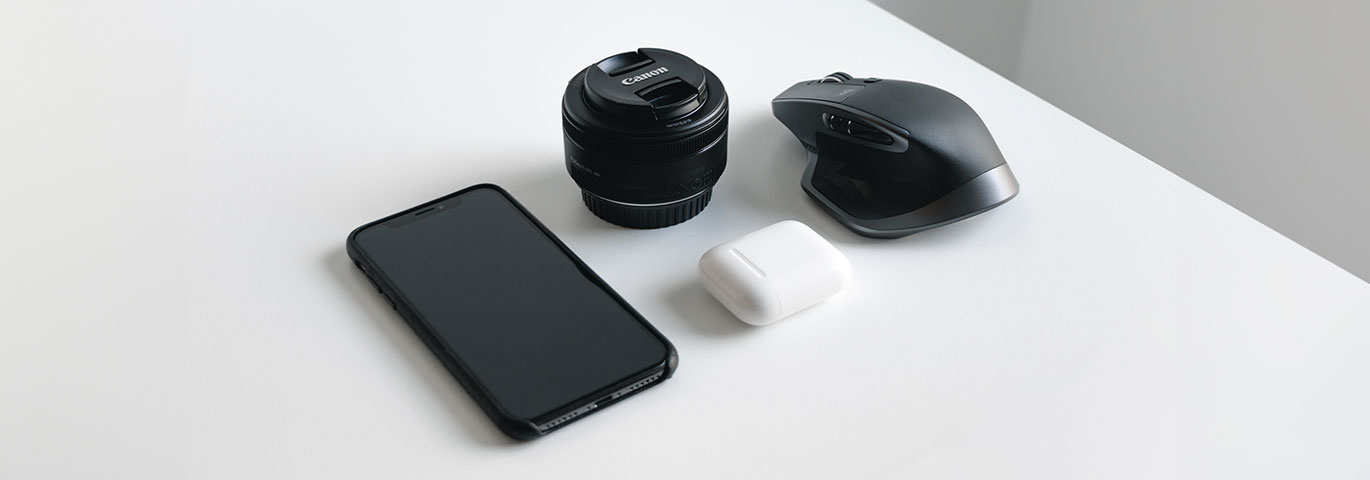
Thanks to its impact resistance and electrical insulation properties, ABS is a popular plastic for consumer electronics.
Plastic Materials Similar to ABS
There are several materials that are similar to ABS in terms of their properties and applications. Here's how they compare to ABS:
|
Material
|
Similarities to ABS
|
Key differences vs ABS
|
Typical applications
|
Cost vs ABS
|
|---|---|---|---|---|
|
Polystyrene (PS)
|
Transparent, easy to process, affordable
|
Lower impact resistance and mechanical strength
|
Packaging, disposable cutlery, insulation
|
Cheaper
|
|
Polypropylene (PP)
|
Some overlap in uses and processability
|
Better chemical and heat resistance, lower density; lower impact strength and stiffness
|
Automotive parts, packaging, containers, household products
|
Similar or cheaper
|
|
Polycarbonate (PC)
|
Comparable impact resistance
|
Much better clarity and optical properties; generally more expensive
|
Automotive lighting, safety goggles, electronic displays
|
More expensive
|
|
Polyethylene (PE)
|
Versatile thermoplastic like ABS
|
Excellent chemical resistance and low friction; lower impact strength and stiffness
|
Packaging, pipes, containers, household products
|
Similar or cheaper
|
|
Polyamide (Nylon)
|
Comparable in mechanical-use contexts
|
Equal or higher impact strength and wear resistance; more expensive
|
Gears, bearings, automotive parts, high-wear components
|
More expensive
|