


Materials That Command the Robotics Industry
Explore the materials powering robotics innovation, from metals to advanced polymers, and see how the right choice determines how well your robot performs in real-world applications.

Robotics is one of the fastest-evolving fields in engineering, covering everything from industrial arms and agricultural robots to medical devices and autonomous vehicles. It's an industry where precision, reliability, and adaptability are paramount and material choice often determines how well a robot performs.
At Protolabs, we help engineers bring these ideas to life with our extensive material range across CNC machining, injection moulding, and 3D printing services. This article explores the most important materials driving innovation across the robotics industry.
Metals in Robotics
When you imagine a robot, chances are you picture shiny metal parts moving with precision. That makes sense, because metals have been the backbone of robotics from the start. They provide strength to carry heavy loads, durability under stress, and machinability for countless components. Here are a few of the metals that make up the nuts and bolts of robotics.
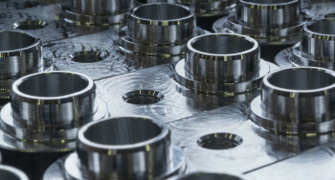
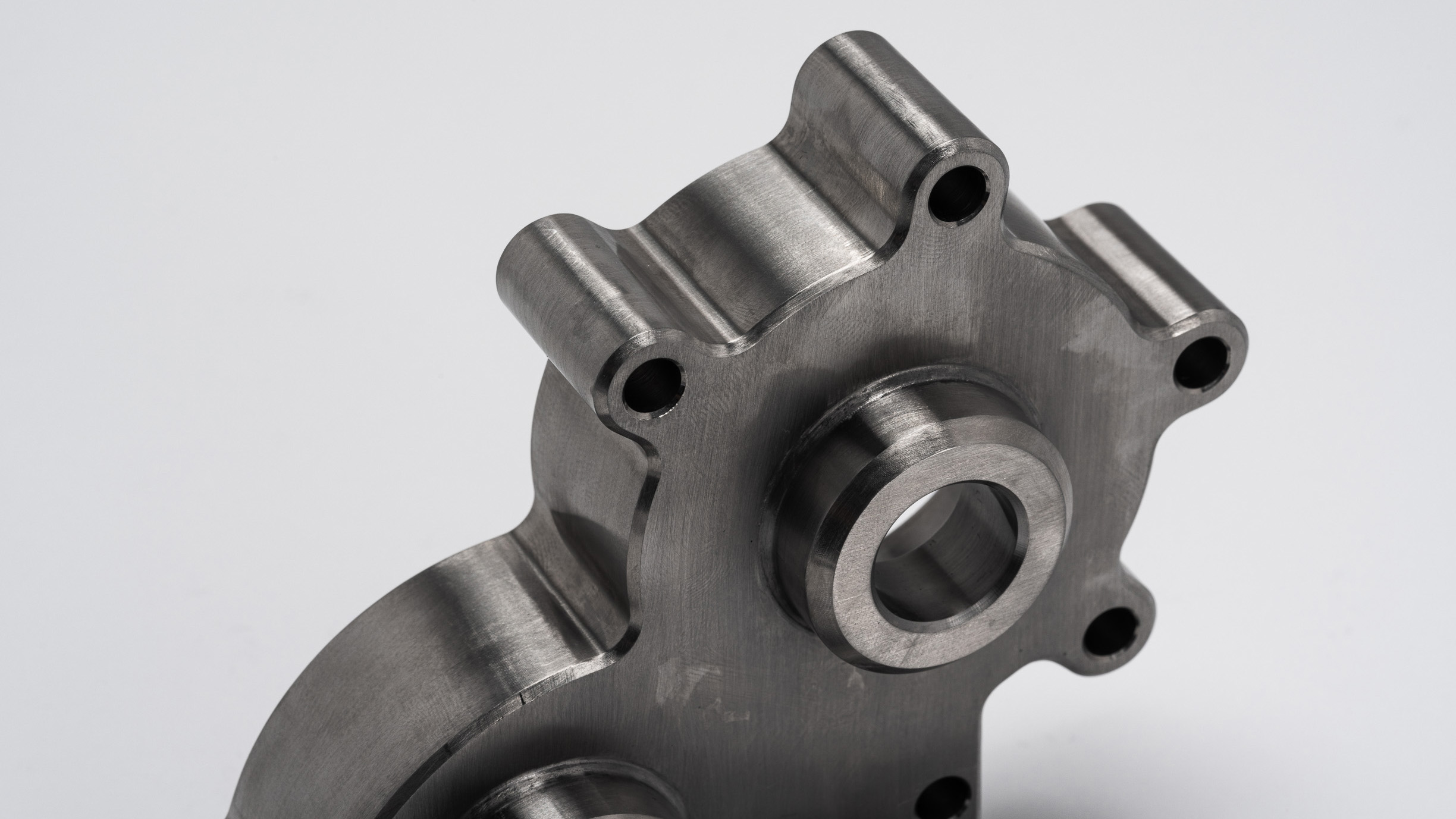
Stainless steel: One of the most widely used metals in robotics. Known for high strength, toughness, and resistance to corrosion and temperature extremes. It can be hardened and has excellent machinability. Typical applications include frames, gears, end effectors, and motor components.
Aluminium: Popular thanks to its lightweighting capabilities. It’s easy to weld, handles heat well, and some alloys resist corrosion. You can also boost its performance with different finishes. Anodising helps it last longer, while polished finishes let parts slide smoothly. It’s simple to machine, though usually pricier than steel. You’ll often find it in frames, enclosures, robotic arms, and bearings.
Titanium: Valued for its excellent strength-to-weight ratio, corrosion resistance, and biocompatibility. Often chosen for demanding aerospace and medical robotics where a balance between high strength and low weight is critical. More expensive and harder to machine than aluminium or steel.
Copper alloys: Essential wherever electricity and heat need to move quickly and efficiently. Copper alloys are also resistant to wear and corrosion, meaning they keep performing reliably even under stress. In robotics, you’ll often see them carrying signals in control systems, dissipating heat in motors, and ensuring smooth operation in moving parts.
Plastics and Polymers
When it comes to plastics, robotics engineers have a toolbox full of clever options. These polymers keep robots lighter, cheaper, and easier to design without sacrificing strength.
Acetal (POM/Delrin): Known for its excellent dimensional stability, stiffness, and low friction. It's resistant to wear and moisture, making it perfect for gears, bearings, housings, and casings that need to perform repetitive motions with precision. Cost-effective compared to metals and widely used for lightweighting.
Nylon (PA): A tough, wear-resistant plastic that combines strength with flexibility. Commonly found in gears, housings, covers, and bearings. It has good impact resistance and is available through multiple manufacturing services, including CNC machining, injection moulding and 3D printing.
Polycarbonate (PC): Thanks to its outstanding impact resistance and transparency, engineers often choose PC for protective housings, safety shields, and enclosures where visibility and toughness are required. It's easy to mould and provides durability without significant added weight.
PEEK: A high-performance plastic built to take on tough conditions. It stands up to extreme heat and harsh chemicals while keeping its strength and stiffness. It costs more than most plastics, but engineers choose it for industries like aerospace, automotive, and medical robotics where reliability really matters.
Carbon fibre composites: Technically a fibre-reinforced composite rather than a pure polymer, these combine carbon fibres with resin to make parts that are extremely strong, light, and stiff. They help robots move faster and use less energy, especially in mobile robotics and drones. The trade-off is higher cost and more complex manufacturing.
Elastomers and Soft Robotics
If metals are about strength and plastics about practicality, elastomers are about flexibility. Their ability to bend and absorb impact makes them perfect for soft robotics applications where robots need to interact safely with humans and handle delicate objects.
TPU (thermoplastic polyurethane): A flexible, durable material that offers excellent abrasion resistance and elasticity. It's often used for housings, seals, and protective components where engineers need a combination of toughness and flexibility.
Silicone (PDMS and others): Incredibly flexible, chemically resistant, and biocompatible. Silicone is often used in soft robotics for grippers, actuators, and biomedical devices that require a gentle touch.
Other elastomeric blends: Traditionally used in casings and semiconductors, these blends are now increasingly applied in robotic frames and delicate gripping tools. Their flexibility allows for safer interactions and improved resilience under repeated stress.
Common Robotics Materials and Their Properties
Here's a quick comparison of the most important materials for robotics.
|
Material |
Service |
Yield Strength |
Bulk Modulus |
Cost |
Key Notes |
|
Aluminium (6061) |
~275 MPa |
~70 GPa |
€€ |
Lightweight, corrosion-resistant, good thermal conductivity. |
|
|
Stainless Steel (17-4 PH) |
~1,000 MPa |
~160 GPa |
€€ |
High strength, repeatable, performs well in harsh conditions. |
|
|
Titanium (Ti-6Al-4V) |
~900 MPa |
~110 GPa |
€€€€ |
Strong yet light, corrosion-resistant, ideal for aerospace/medical robotics. |
|
|
Acetal (Delrin) |
~65 MPa |
~3 GPa |
€ |
Low friction, excellent dimensional stability, cost-effective. |
|
|
Nylon (PA12, PA66) |
~75 MPa |
~2–3 GPa |
€ |
Tough, wear-resistant, good for gears and housings. |
|
|
Polycarbonate (PC) |
~65 MPa |
~2.4 GPa |
€€ |
Impact resistant, transparent, protective covers and housings. |
|
|
PEEK |
~90–100 MPa |
~3.5 GPa |
€€€€ |
High-performance polymer, heat and chemical resistance. |
|
|
Elastomers (TPU, silicone) |
N/A |
~0.01–0.1 GPa |
€€ |
Flexible, resilient, ideal for soft robotics. |
|
|
Carbon Fibre Composites |
>600 MPa |
~50–70 GPa |
€€€€ |
Extremely strong and lightweight, complex manufacturing. |
Material Selection Guide
Different robot types have distinct material priorities. Medical robots require biocompatible options like titanium and silicone. Industrial applications favour stainless steel and aluminium for strength and repeatability. Agricultural robots need corrosion-resistant materials like reinforced polymers and elastomers. Material selection for robotics starts with understanding what your robot needs to do:
- Heavy-duty applications: Stainless steel and titanium provide strength for repeated stress and harsh environments.
- Lightweight efficiency: Aluminium and carbon fibre reduce weight whilst maintaining strength for speed and agility.
- Budget-conscious projects: Acetal, nylon, and polycarbonate offer cost-effective reliability.
- Specialised requirements: PEEK and silicone excel in extreme temperatures or biocompatible applications, whilst injection moulding plastics suit high-volume production.
Real-World Applications
It's one thing to talk about materials in theory, but real-world projects show their impact best. Check out how the right materials boost performance, speed up prototyping, and get robotics ideas into the field faster:
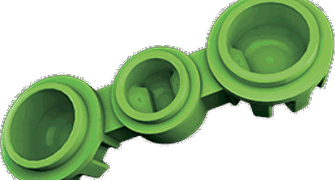
- Agricultural robotics: The Small Robot Company used nylon powder and Multi Jet Fusion 3D printing for rapid development of durable actuator caps, demonstrating how advanced polymers enable fast iteration in demanding outdoor environments.
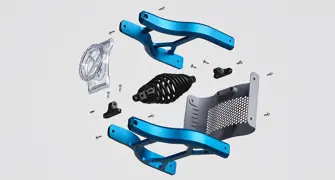
- Medical/research applications: The Shadow Robot Company relies on multiple materials including aluminium, polycarbonate, and polyurethane for their precision dexterous hands.
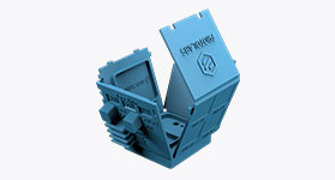
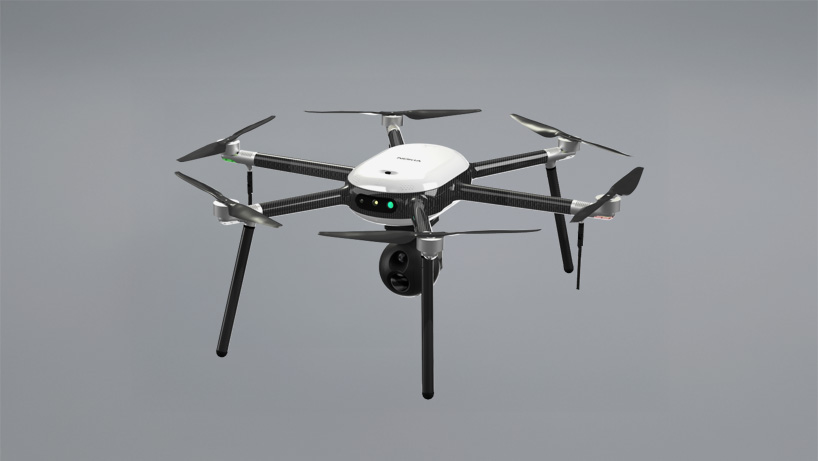
- Aerospace/UAV systems: Nokia built wireless UAVs that had to be light yet tough enough to handle heavy vibrations and shocks. "Protolabs did an outstanding job guiding us through the intricacies of mould design process especially considering the new more difficult material," says Nokia's Jaakko Vuorio, showing how expert material advice supports successful UAV development.
- Environmental exploration: Xinix AI developed all-terrain soft robots for tropical rainforest exploration using engineering-grade 3D printing materials with chemical smoothing post-processing for increased impermeability, demonstrating how robust material selection and surface treatments enable robots to withstand harsh operating conditions.
Looking Ahead
The story of robotics materials is still unfolding. Each year, new breakthroughs in material science open doors to robots that are faster, smarter, safer, and more sustainable. Here are a few highlights on the horizon:
- Biocompatible polymers: Safer surgical robots and medical devices that work more seamlessly with the human body.
- Self-healing composites: Materials that repair small cracks or wear, extending the lifespan of robotic components.
- Smart materials: Innovations like electroactive polymers, graphene composites, and shape-memory polymers that can sense, move, or change form.
- Eco-friendly options: From bio-based plastics like cellulose, chitosan, and PCL to recyclable composites, these materials reduce impact while supporting applications in medicine, agriculture, and beyond.
For more insights, see our Manufacturing Robotics Report: Materials and the full Manufacturing Robotics Report.
Get Started
Whatever stage of development you're in, Protolabs offers the speed, precision, and material range to bring robotic innovations to life. Upload your CAD now for a free, instant quote.


