

If you're working with aluminum parts and need a finish that improves durability, corrosion resistance, and appearance, anodizing will help you finish strong, literally.
What Is Aluminum Anodizing?
Aluminum anodizing is a surface treatment that forms a tough, durable oxide layer on the surface of aluminum. This layer boosts corrosion resistance, improves wear properties, and allows for color finishes.
It works by enhancing aluminum's naturally occurring oxide layer through an electrochemical process. This thickened layer is tightly bonded to the surface, making it harder, less conductive, and more resistant to damage over time.
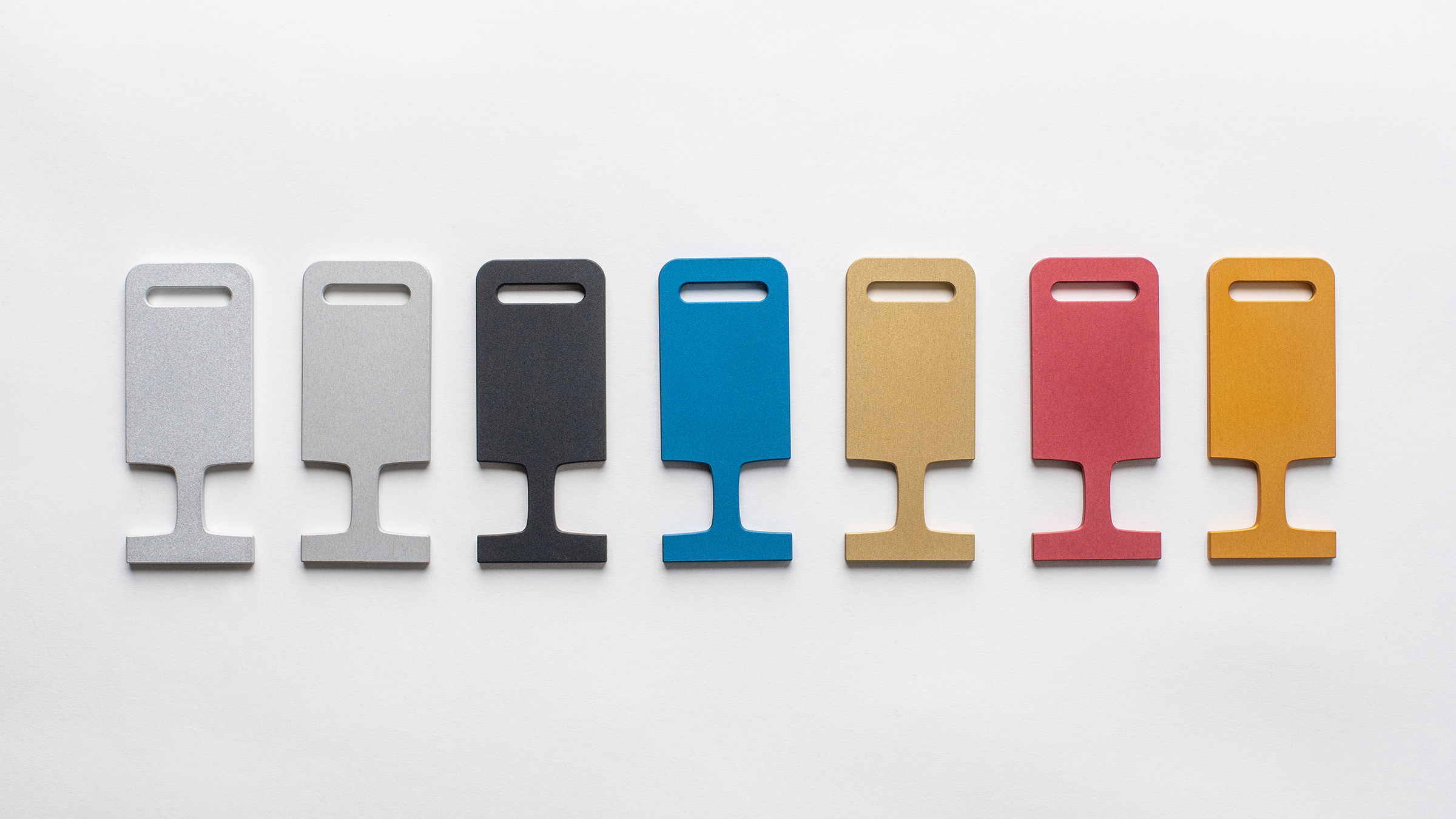
Unlike coatings or paints that sit on top of the surface, anodizing changes the metal itself, so it won't peel or chip. This layer is porous before sealing, which allows it to absorb dyes, giving parts a decorative or branded finish that holds up better than paint or powder coating.
How Does Aluminum Anodizing Work?
Aluminum anodizing is an electrochemical process that works by altering a metal surface to make it more durable and corrosion-resistant.
Picture a part made from aluminum, like a bike pedal. During anodizing, the first step is to submerge the pedal in a diluted sulfuric acid bath. Then an electric current is run through the solution. The aluminum pedal becomes the anode—the positively charged electrode—which is where the term 'anodizing' comes from. In this setup, the anode attracts negatively charged oxygen ions, which bond with the aluminum surface to form a hard, protective layer of aluminum oxide.
Because the oxide layer is porous, it can soak up dye when you want to add color. How much color it holds depends on the dye strength, temperature, and how long the part stays in the bath. A final sealing step closes those pores to lock everything in.
This results in a hard, non-conductive finish that stands up to friction, moisture, and daily wear and tear.
What Are the Steps of Aluminum Anodizing?
The anodizing process follows a progressive series of steps designed to prepare, strengthen, and protect the aluminum surface.
- Pre-treatment: The part is cleaned and degreased. It’s usually etched to create a smooth, uniform finish.
- Anodizing: The part is dunked in a sulfuric acid bath and zapped with an electric current. This builds up the aluminum oxide layer.
- Coloring (optional): If you want color, in this step the porous oxide layer gets soaked in a dye bath to absorb pigment. The longer it stays in, the deeper the color.
- Sealing: Finally, the part is sealed to close the pores. This locks in color and boosts wear and corrosion protection.
What Are the Different Types of Aluminum Anodizing?
There are a few types of aluminum anodizing used in manufacturing, and the right one for your project depends on the finish you want and how tough the part needs to be:
- Type I (chromic acid anodizing): This one creates a very thin layer, good for aerospace parts that need light protection. It’s not as tough as others and is used less often today because of environmental restrictions.
- Type II (sulfuric acid anodizing): Also called decorative anodizing. It builds a thicker oxide layer that can hold dye, so you can add color. It’s common for everyday products and general engineering work.
- Type III (hard coat anodizing): Hard coat anodizing forms a much thicker, harder layer that stands up to wear and corrosion. You’ll find it on parts in factories, ships, or aircraft.
- Other variants: There are also niche options like phosphoric acid anodizing or plasma electrolytic oxidation (PEO), but these are mostly used in research or specialized applications.
Advantages of Aluminum Anodizing
Aluminum anodizing has a lot of benefits. Here’s why engineers keep coming back to it:
- Corrosion resistance: The oxide layer acts like a shield, helping parts survive in tough conditions like offshore, aerospace, and industrial settings.
- Durability: The surface is scratch-resistant and tough. Great for parts that see regular use or handling.
- Electrical insulation: The anodized layer is non-conductive, which helps prevent short circuits and improves safety when parts are near wiring or electronics.
- Clean look: Clear or black finishes look professional and polished. Ideal when parts are customer-facing.
- Low maintenance: Anodized parts are easier to clean and less likely to wear down or flake over time.
- Strong dye retention: When dyed, the finish resists fading better than paint or powder coatings.
- Better adhesion: Anodized surfaces also improve adhesion for paint or glue, which is useful for downstream assembly.
- Repeatability: The process delivers consistent results across batches.
Common Applications of Aluminum Anodizing
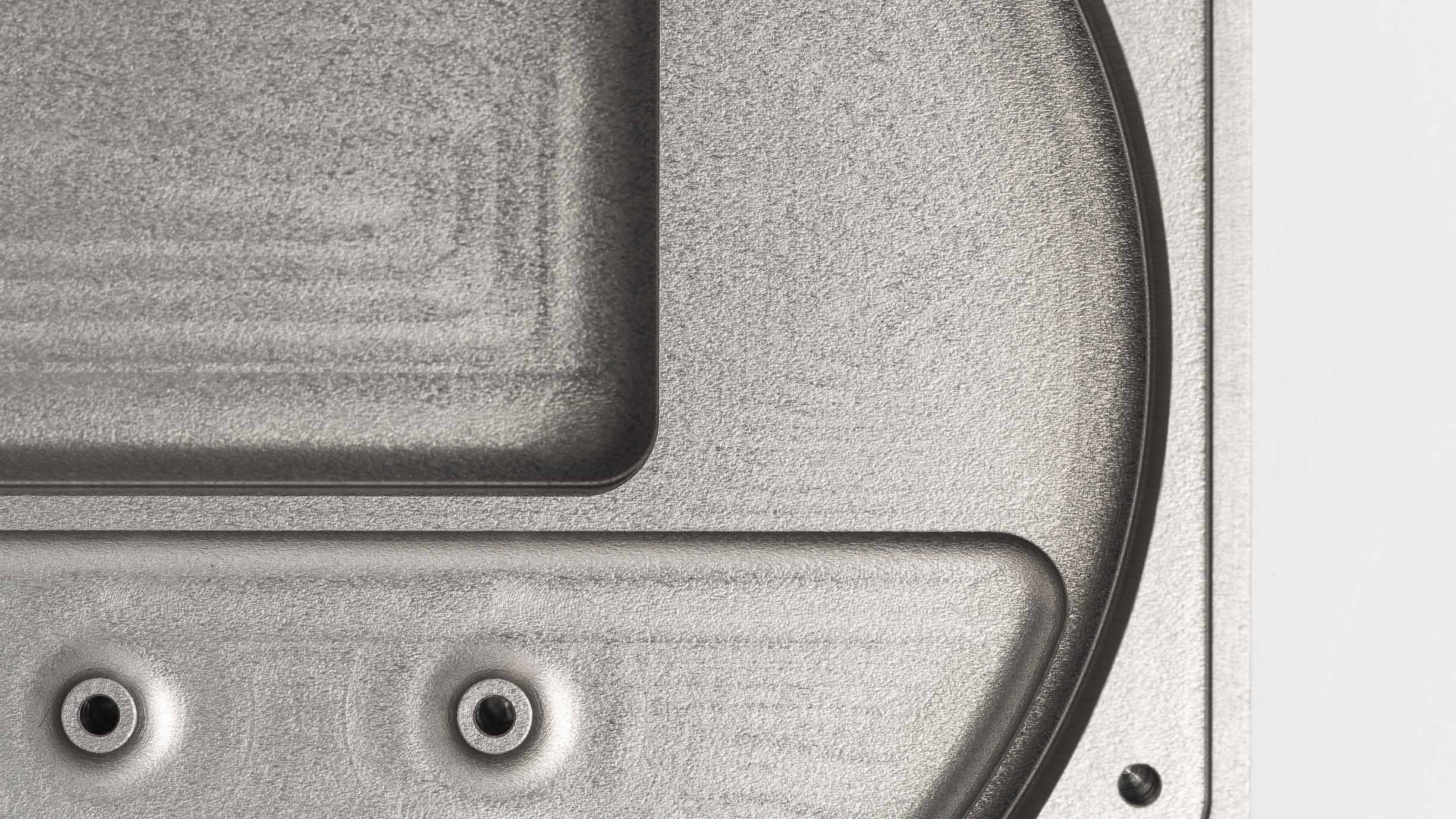
You probably come across anodized aluminum on a daily basis, from phones and tools to bike parts and even cookware. When you notice a sleek, matte, often colored aluminum finish, there’s a good chance it’s anodized. It’s especially popular where parts need to be tough, lightweight, and resistant to the elements. That’s why some industries, like aerospace or marine, rely on it more than others.
- Aerospace: You’ll find anodized aluminum on aircraft brackets and housings because it is built to handle high-stress environments.
- Consumer electronics: That premium, colored phone or laptop casing? Likely anodized. It resists fingerprints and holds color over time.
- Medical: Anodized tools and housings are tough, cleanable, and safe for repeated sterilization.
- Marine: If it’s made of aluminum and lives near salt water, anodizing helps it last. Think boat fittings and enclosures.
- Industrial equipment: In factories or harsh outdoor environments, anodized parts resist wear and don’t chip like paint might.
Frequently Asked Questions About Aluminum Anodizing
How thick is the anodized layer?
expand_less expand_moreDecorative (Type II) anodizing typically builds a layer between 1.8–25 µm thick. Hard coat (Type III) anodizing creates a much thicker layer, ranging from 13–100 µm. The exact thickness depends on the time in the bath, current density, and alloy used.
Does anodizing affect part dimensions?
expand_less expand_moreYes. The oxide layer typically grows approximately 50% into the surface and 50% outward. Design tolerances should allow for this growth, especially on critical features.
Which aluminum alloys are suitable for anodizing?
expand_less expand_moreWe currently offer anodizing for 6082-T651, 7075-T651 and 7075-T7351. These alloys respond well to anodizing and are commonly used in engineering applications. Cast aluminum alloys, especially those with high silicon content, are not recommended because they don’t produce a consistent or high-quality anodized finish.
Can anodized aluminum be colored?
expand_less expand_moreYes. Decorative anodizing can be dyed black or clear. Hard anodizing is usually left uncolored to maintain wear resistance, but dyeing is possible.
Is anodized aluminum electrically conductive?
expand_less expand_moreNo. Anodizing creates an insulating surface layer. If electrical conductivity is needed, consider chromate conversion instead.


