
Innovation in Manufacturing 2026
How manufacturing's digital adoption is transforming the product life cycle
Manufacturing is undergoing a sector-wide redesign as it shifts towards Industry 4.0, and now, increasingly, Industry 5.0. The transformation is powered by a set of core technologies which are changing the way that products are conceived and brought to market.
While their implementation has been gradual over the last decade, there’s now a definitive shift from experimentation to aggressive scaling. This investment is starting to deliver tangible returns. Manufacturers applying machine learning are three times more likely to improve key performance indicators compared to those that do not, with approximately 72% reporting reduced costs and improved operational efficiency.
In 2026, this transformation spans the entire product life cycle, with technology-driven innovations redefining how products are conceived, developed, produced, and eventually retired. The biggest changes are driven by a small set of technologies that are converging into integrated workflows. Those workflows are compressing development time, reducing risk, enabling new geometries and materials, and pushing manufacturing toward smarter, more autonomous systems.
This is a strong indication that in the future, product developers can feasibly explore more ideas, test concepts and deliver end-use products to customers faster and more reliably than ever before.
Key Findings
72%
of manufacturers that build machine learning into their processes report reduced costs & improved operational efficiency
20-50%
development time can be saved by implementing digital twin technology, also resulting in improved product performance and lower costs
58%
of companies are piloting co-creation initiatives, as collaborating with customers becomes more commonplace
50%
reduction in development costs and 30% faster time to market can be attributed to AI-enabled digital threads
97%
of companies report delays or failure with bringing products to market, as scaling to production remains the biggest challenge for product developers
72%
of manufacturing leaders report using on-demand manufacturing for improved flexibility
Technologies Driving Change
Manufacturing is entering an increasingly digitalized era, driven by a suite of new technologies that result in a more intelligent, connected, and adaptive approach to manufacturing. Note that the trend in manufacturing is not these technologies in isolation, but industry of things (IoT), for example, fused with artificial intelligence (AI) and twin environments to create self-optimizing operations that add value across every stage of the product life cycle.
|
|

|
|

|
|

|
|

|
|

|
|

|
|

|
|

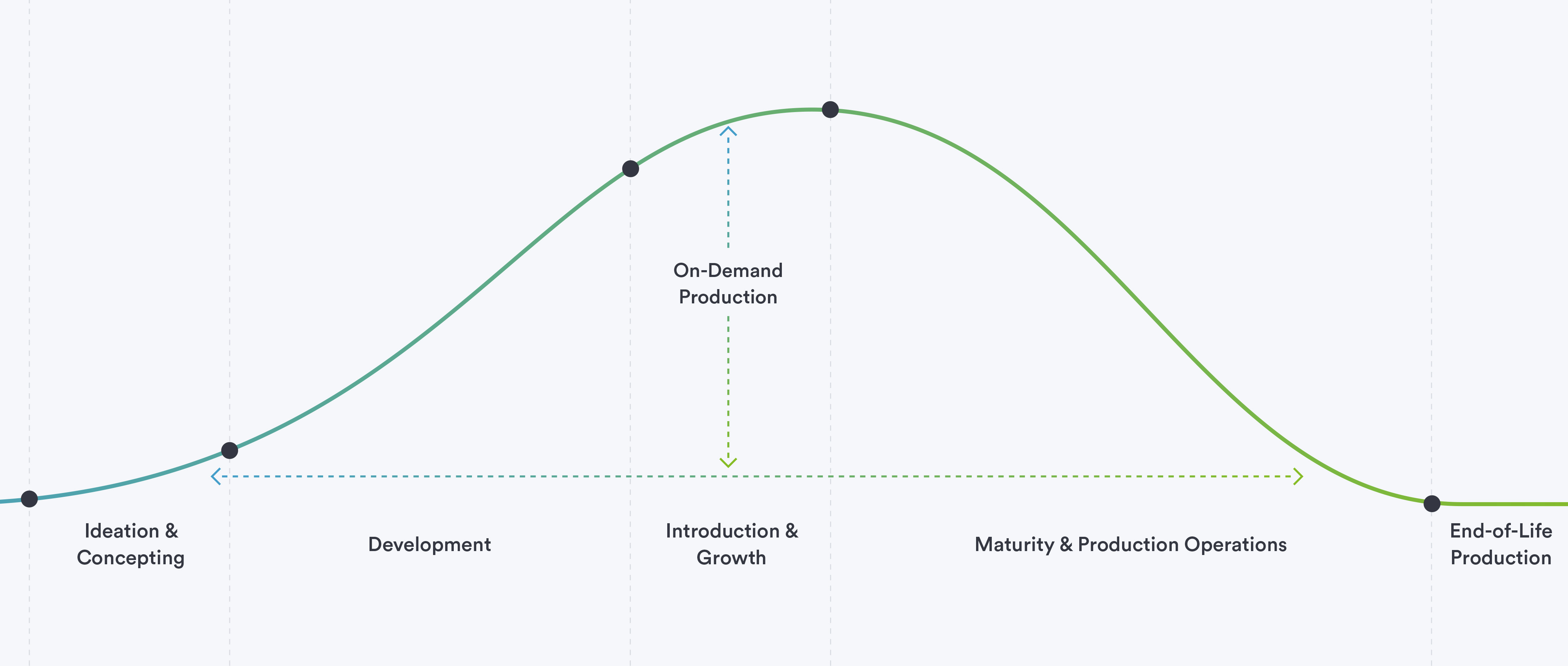
Advanced technologies have sped up product development by building in efficiencies at every stage.
Product Ideation and Concepting
The first stage of the product life cycle is where design decisions are made, so it’s no surprise that this is where manufacturing is undergoing the most significant changes. Traditional prototyping cycles are increasingly being replaced by simulation-first product development thanks to the introduction of several new technologies that integrate AI and large language models (LLMs).
GenAI, for example, is demonstrating great potential to optimize ideation. It can explore thousands of design alternatives simultaneously and suggest solutions that often challenge human assumptions. GenAI also lowers the barrier to complex design work via natural-language interfaces and automated CAD generation. Its adoption is accelerating rapidly. For example, 47% of product development teams plan to use generative AI at scale, and 88% of organizations report applying AI in at least one business function.
Engineers are increasingly adapting a design for manufacturability (DFM) discipline, based on digital twins and production simulators. This ensures that products are both innovative and practical to manufacture at scale. Research indicates that applying design-to-cost and DFM principles early can cut product development time and material costs by 15% to 30%.
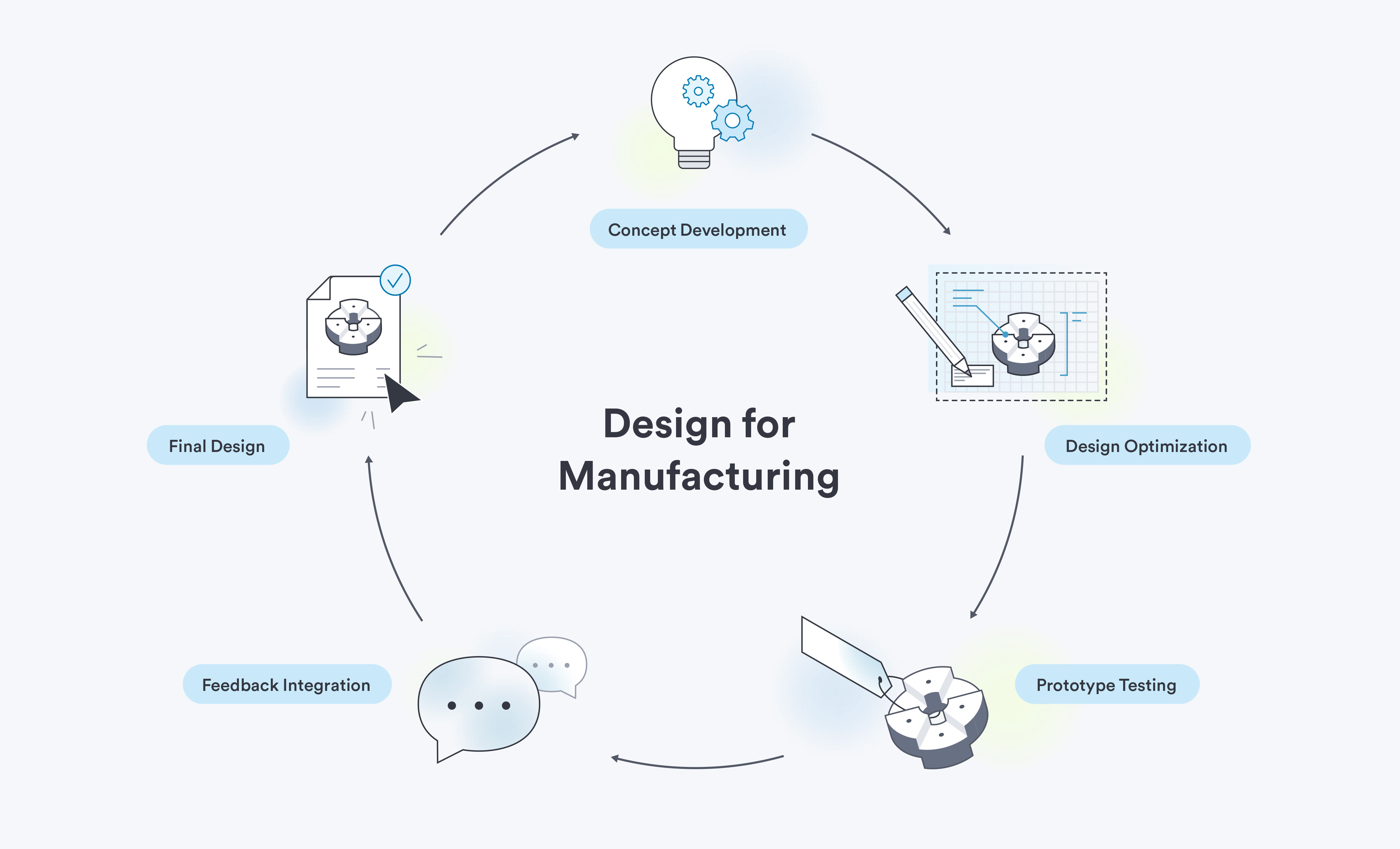
The DFM cycle integrates manufacturability considerations into the design process.
Many other technological advances are being used in combination with GenAI:
- Digital twins and advanced simulators make it possible to explore ideas and validate feasibility before building anything physical. R&D leaders claim that digital twin technology can reduce development times by 20-50% while improving product performance and reducing costs.
- Clean-sheet design enables products to be developed without legacy constraints when existing solutions are no longer fit for purpose.
- AI-powered biodesign can analyze structures from the natural world, and translate their principles into manufacturable products. This is particularly useful in the medical and agricultural industries.
- AI platforms like Simporter demonstrate how AI can spot emerging product attributes and combine them into viable concepts. These systems analyse market data, consumer preferences, and competitive landscapes to generate product ideas that align with market demands.
- An estimated 58% of businesses are piloting customer co-creation projects to spur innovation. Involving end-users early in the ideation process helps gather valuable insights, foster loyalty, and develop offerings that are well aligned with customer preferences.
Looking towards the future, quantum-enhanced concept development is emerging as a powerful catalyst for ideation, especially in the simulation of materials and complex systems. While still in its early stages in manufacturing applications, its trajectory is significant. The ability to model quantum mechanical phenomena while simultaneously managing classical engineering constraints will open new horizons in innovative product design.
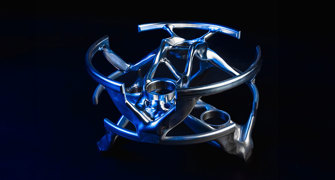
Live-Action GenAI with NASANASA significantly accelerated its product development process using generative design, as demonstrated at the PowerSource Global Summit. Engineers outlined the qualities a specific part would need to survive the flight and tolerate extreme conditions on the surface of the moon. These were input into a generative design framework that allowed artificial intelligence to meet those criteria. The entire experiment took just 36 hours from concepting until Protolabs delivered the finished machined part. Generatively designed part, showcased at the PowerSource Global Summit (Credit: Protolabs/NASA)
|
|

Product Development
Once a concept is finalized, development typically involves a coordinated process of prototyping, testing, and optimizing. However, transitioning to full-scale manufacturing remains a significant challenge for most organizations. Approximately 70% of hardware startups fail to ever deliver a product to market, and 97% experience significant delays or failure during the scaling phase.
A key change is that multiple activities can now happen at the same time rather than in sequence, for example, design, validation, and manufacturability assessments occurring concurrently rather than as sequential steps.
Several key technologies come into play here:
- Digital twins now extend beyond geometry into multi-physics simulation, letting teams test thousands of operating conditions virtually. AI-driven continuous integration adds another layer by automatically validating modifications against performance criteria and known failure patterns.
- AI-driven testing platforms can execute thousands of test scenarios in parallel to identify potential issues and suggest optimizations in real-time. This signals a shift from traditional stage-gate processes to continuous optimization.
- Product Lifecycle Management (PLM) systems centralize data management to help development teams to predict project completion times, identify resource bottlenecks, and suggest process optimizations.
Advancements in additive manufacturing are helping engineers to evaluate designs with greater confidence. A recent industry survey reveals that 97% of manufacturing stakeholders now report using 3D printing for functional prototypes or end-use parts. The combination of generative design plus additive manufacturing is where the most significant performance gains are currently emerging.
Agile and modular development models are increasingly adopted because they absorb uncertainty better. When combined with AI-enabled digital threads, these approaches allow organizations to coordinate production more tightly, resulting in 30% faster time-to-market and 50% lower development costs. Modular architectures further support this agility by enabling customization, and reconfiguration.
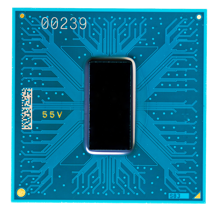
Computers that Mimic the Human BrainNeuromorphic computing systems can process multiple data streams simultaneously and identify patterns in complex datasets that human engineers might miss. Brain-inspired chips like Intel's Loihi, which processes data through networks of artificial “neurons,” have great potential for ideation and product testing. Intel's Loihi processor. Image: Intel
|
|
Product Introduction and Growth
While advanced technologies give manufacturers more agility when introducing products to the market, the next phase in the product life cycle must contend with supply chain volatility. 94% of companies report revenue impacts from supply chain disruptions, prompting 97% to actively reconfigure their networks for resilience. A massive strategic pivot is taking place: Reflecting a growing preference for flexibility, 72% of manufacturing leaders report using on-demand manufacturing to overcome barriers to innovation and scale.
Trends with enormous impact can be observed here:
- Consumer-to-manufacturer (C2M) models have transformed product introduction strategies by using customer engagement to help make decisions. They can identify customer preferences, predict demand patterns, and optimize production schedules based on real-time market signals, rather than speculative market analysis.
- Digital Product Passports (DPPs), which provide trackable information on products, manufacturing processes, and supply chain activities, are becoming relevant earlier in the cycle. Beyond traceability, they can provide sustainability metrics for transparency and compliance readiness.
- Digital Product Passports (DPPs), which provide trackable information on products, manufacturing processes, and supply chain activities, are becoming relevant earlier in the cycle. Beyond traceability, they can provide sustainability metrics for transparency and compliance readiness.
Achieving this level of adaptive forecasting requires real-time data collection and processing closer to the production environment. The adoption of IoT networks and edge computing platforms is likely to accelerate real-time data capture and low-latency analytics on the factory floor, helping manufacturers to process market signals at the point of production and respond more quickly to changing preferences.
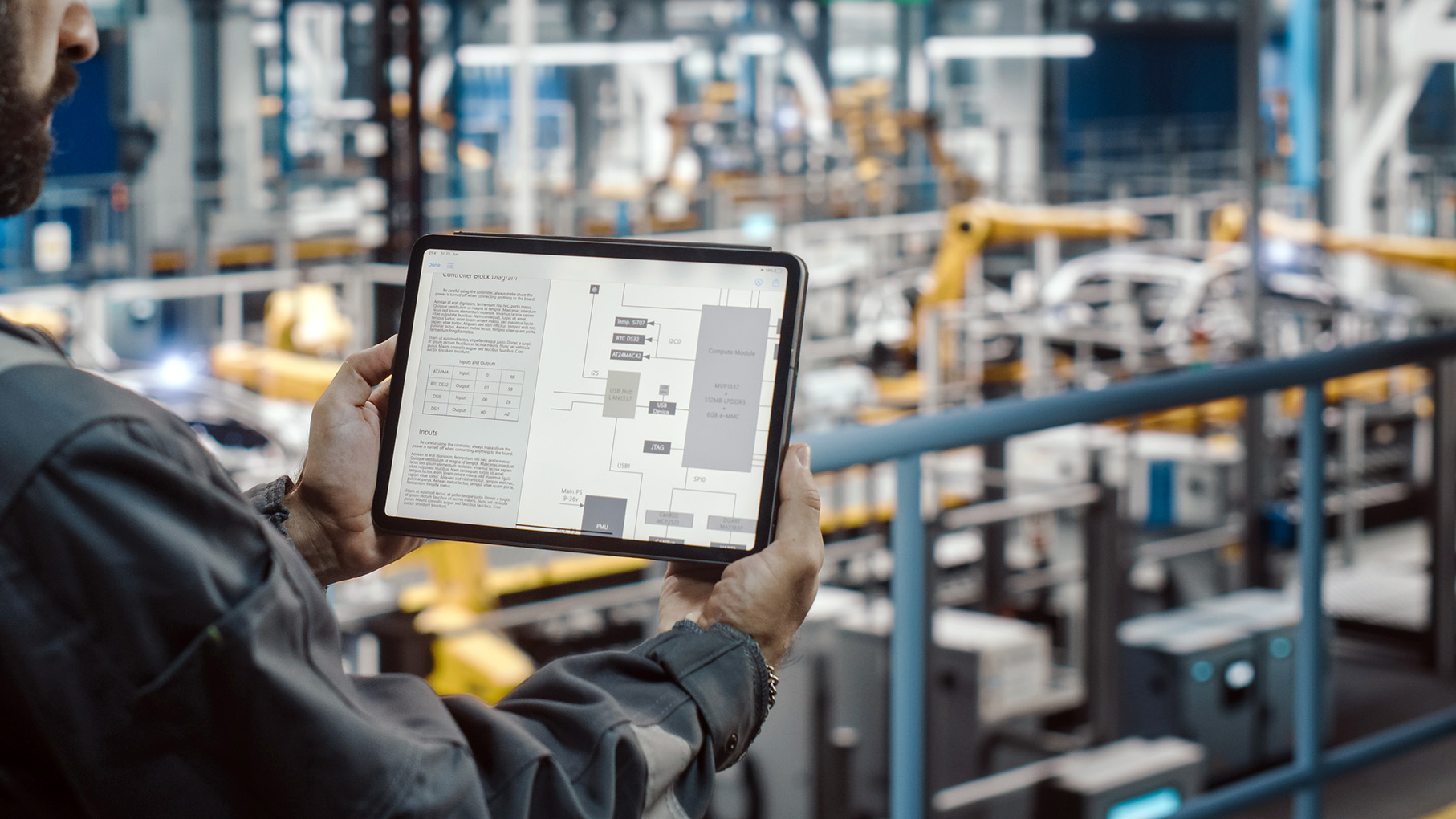
Production becomes more agile as accurate, real-time data can drive decisions.
Maturity and Production Operations
Production operations are evolving from traditional manufacturing approaches to sophisticated cyber-physical systems that combine AI, digital twins, and predictive analytics to reach new levels of efficiency.
As products reach maturity, operational excellence and long-term value creation become the priority. Technologies that reduce bottlenecks and foresee future issues are pivotal here. Lean manufacturing and Six Sigma methodologies are widely adopted at this point to drive efficiency, reduce waste, and maintain high quality at scale.
New technologies can improve efficiency in several ways:
- Autonomous production systems can analyze process data, identify optimal parameters, and adjust operations in real time to maintain optimal performance with minimal human intervention.
- Digital twins can support this via scenario modeling, and optimization at system level, not just machine level. Adoption has moved well beyond early experimentation, with 86% of manufacturing leaders now viewing digital twin technology as applicable to their operations.
- Predictive maintenance is becoming standard practice in Industry 4.0, and is helping companies to reduce machine downtime and save costs. By using AI to analyze every performance metric from vibration patterns to temperature variations, it can identify potential problems much earlier than in conventional maintenance practices.
- Quality management systems can now be integrated into production operations. These systems can detect quality variations before they impact production, enabling more proactive quality management.
- Tech-enabled energy and resource optimization minimizes environmental impact by tracking resource consumption and identifying optimization opportunities.
In years to come, digitalized manufacturing operations will ultimately give companies greater adaptability and resilience in the market. Advances in neuromorphic computing could represent the next step in this evolution. Self-healing production systems, i.e., manufacturing systems that can self-diagnose and self-repair, use brain-inspired architectures to resolve issues before they impact production.
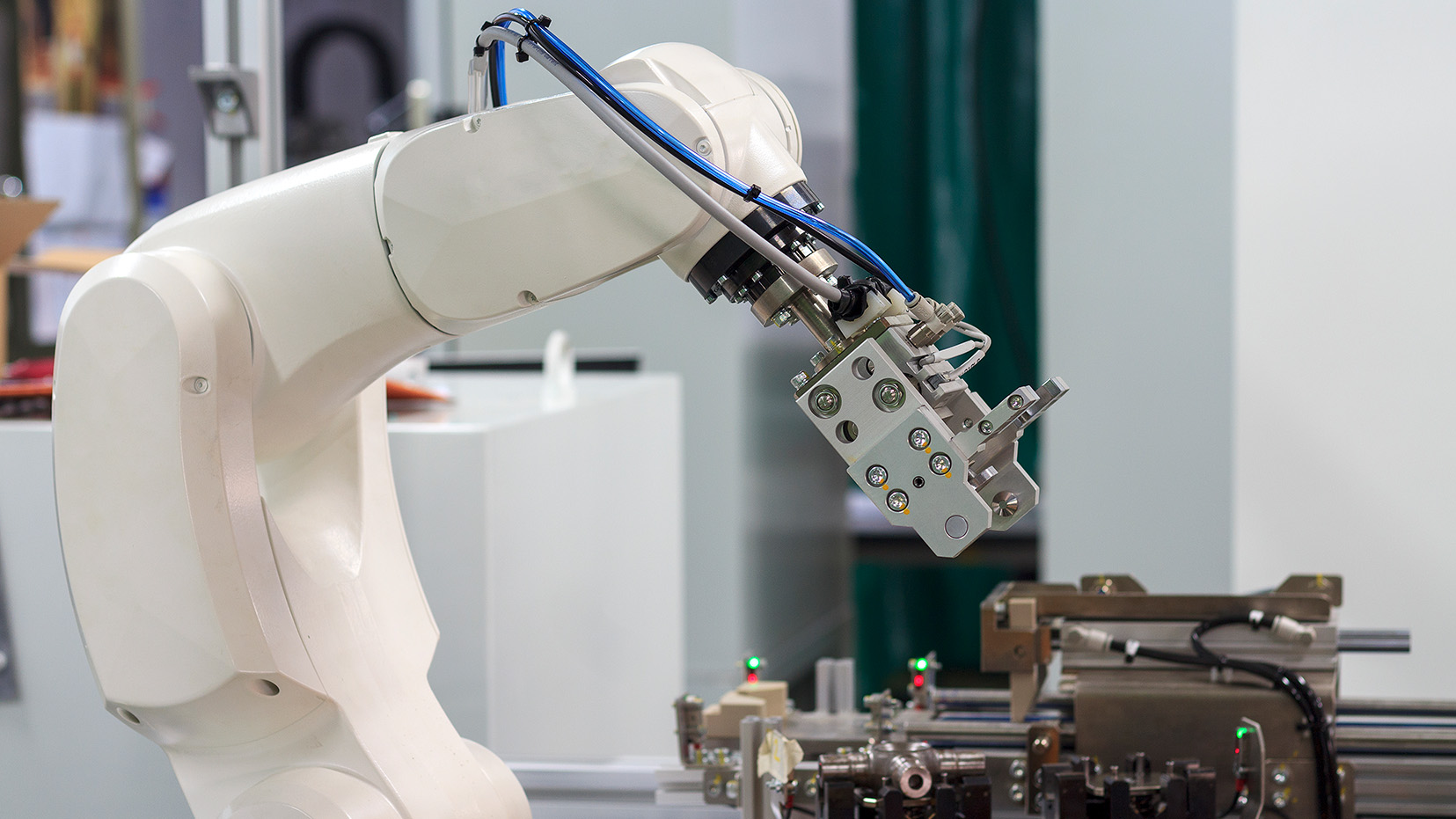
Advanced automation and robotics support more predictable manufacturing operations.
End of Product Life
New technologies have automated many end-of-life processing operations. As an example, automated disassembly systems can separate complex products into component materials, while AI-powered quality control systems ensure recovered materials meet reuse specifications.
Sustainability is another key focus in this phase. Recycling and take-back initiatives can help organizations reduce environmental impact, and support circularity and regulatory compliance. Data shows that remanufacturing a product saves about 85% of raw materials and 55% of the energy required to produce a new one. This reflects the growing importance of both supply chain and material performance considerations in end-of-life strategies.
Technological innovation at the end-of-life stage occurs in several ways:
- DPP systems play a key role by maintaining a digital record of product composition, repair history, and disassembly pathways.
- Advanced material recovery systems leverage AI and robotics to get materials ready for reuse. These systems use computer vision, spectroscopic analysis, and machine learning algorithms to distinguish between different material types, grades, and contamination levels.
- Tech-enabled remanufacturing can restore products to “like-new” condition while retaining valuable materials and components. Powered by diagnostic systems, precision manufacturing technologies, and quality control processes, this technology helps create products that meet or exceed original specifications. Companies implementing remanufacturing programs report considerable cost reductions when compared to new product manufacturing without any essential loss in quality and performance.
- The regulatory landscape is evolving with new requirements for product end-of-life management. For example, the European Union's Ecodesign for Sustainable Products Regulation (ESPR) introduces rules for unsold product destruction and disclosure of product disposal.
- Predictive analytics also helps manufacturers anticipate return volumes and plan recovery capacity before bottlenecks hit.
The future of end-of-life production will be shaped by emerging technologies including molecular recycling, biotechnology applications, and advanced materials science. These innovations will enable more sophisticated material recovery processes and will create new possibilities for resource regeneration. Combining these with circular economy principles creates the potential for closed-loop resource cycles which maximise resources and minimize waste. Digital intelligence will play a critical role in realizing these systems, with AI-driven recycling solutions projected to save the industry $10 billion annually by 2030.
Designed to DecomposePUMA athletics company is an early pioneer of cradle-to-cradle design, achieved using advanced modeling and data-driven life cycle analysis. The innovative InCycle sneakers use biodegradable polymer in the sole. They are 97% compostable, consume less water, and generate a lower carbon footprint than conventional sneakers. PUMA's biodegradable design experiment. Image: PUMA
|
|

Embracing Industry 5.0
While these tools accelerate early-stage exploration and decision-making, physical prototyping and engineering expertise remain essential for validation and market readiness.
The future of product ideation lies in collaborative intelligence, which involves the seamless integration of human creativity and AI capabilities. For example, human-robot collaboration will likely continue to improve, potentially incorporating physiological monitoring systems that can anticipate human intentions. This supports more intuitive and efficient manufacturing that aligns with Industry 5.0. This approach is grounded on augmenting human insights rather than replacing them.
Across the product life cycle, Protolabs acts as a trusted manufacturing partner that helps customers test out digitally optimized product innovation. Its processes help engineers move quickly through product development by turning ideas into functional parts that meet the requirements of tightly regulated industries.
During concepting and ideation, Protolabs’ services help customers assess feasibility via automated DFM analysis. At the product development stage, rapid prototyping and consultative design offer an efficient way to validate designs. The manufacturer helps fast-track market introduction with flexible low-volume production, and reduce supply chain risks with geographically distributed manufacturing. When production is ready to scale, Protolabs’ advanced capabilities support high-volume manufacturing of complex parts. On-demand production completes the circle as products reach end of life, minimizing inventory costs by manufacturing only what is needed.
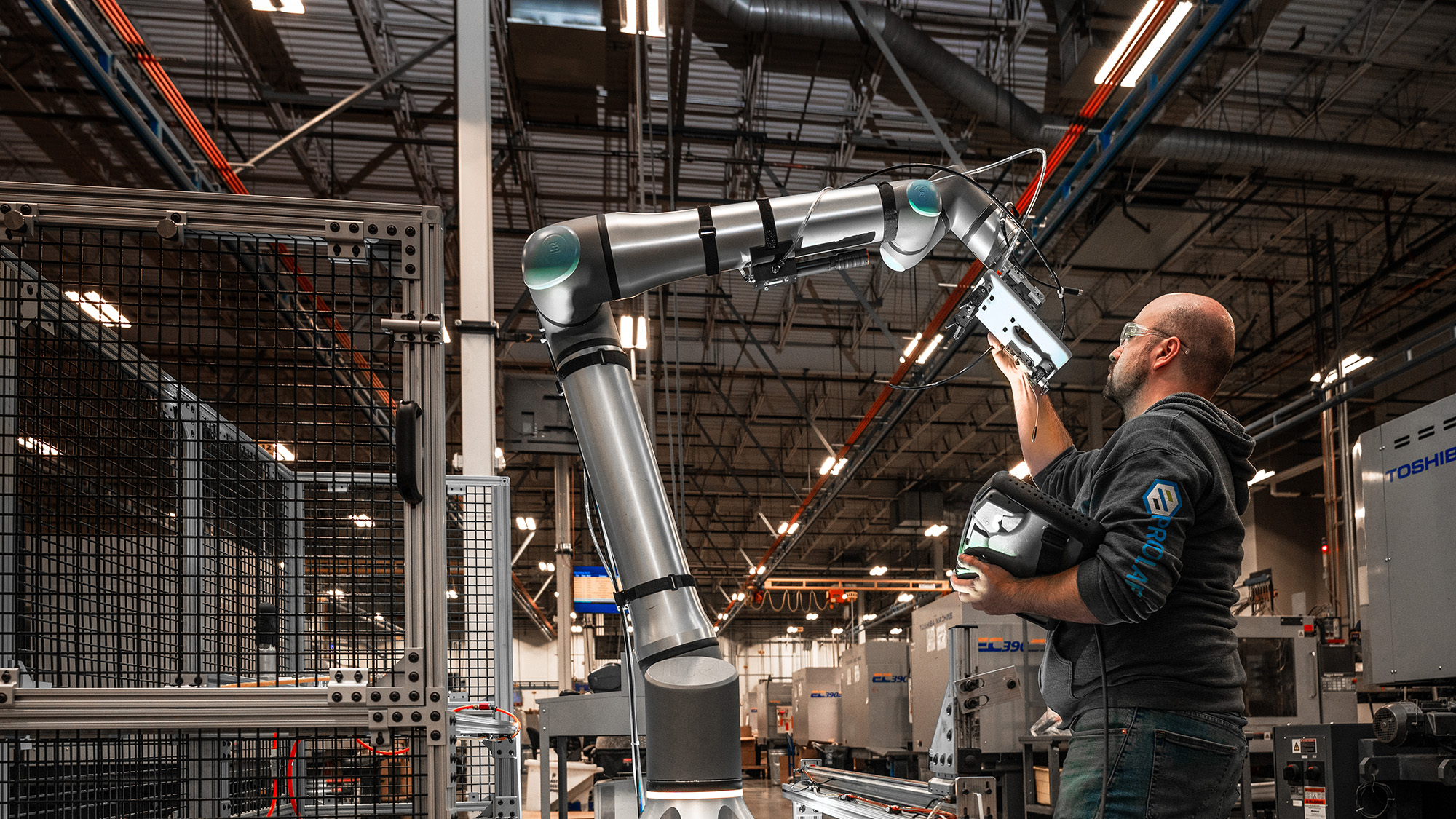
Cobots that work alongside human operators are an example of Industry 5.0 in practice.