


Domestic Manufacturing
Four Key Benefits of Working with a Domestic Manufacturing Partner

Historically, most businesses in major Western countries have preferred to have their products manufactured overseas—and it isn’t hard to see why. Between significantly lower labor costs, more robust infrastructure, and relatively relaxed and flexible trade policies, working with international manufacturing partners has simply been a no-brainer for anyone who cares about key growth factors such as cost, scale, and efficiency.
However, the world of manufacturing is evolving rapidly, and at the core of this transformation is a notable utilization and strengthening of domestic supply chains. Put simply, due to persistent and rising geopolitical instability, trade policy and tariff uncertainty, along with the availability of advanced automation technologies stateside to lower costs and speed up production, supply chain strategies are changing. Onshoring and reshoring operations to domestic facilities has become a widely popular risk management strategy, and one that’s already driving considerable economic and employment growth in countries like the U.S.

Importantly, in addition to being an appropriate response to recent trends, this transition seems to point toward a more permanent paradigm shift in modern manufacturing best practices. Many business leaders now recognize and work to maximize the inherent advantages of domestic supply chains in their planning. And while the upsides are far from limited to these areas, this inflection point offers the opportunity to highlight and breakdown four increasingly attractive benefits of working with a domestic
1. Faster Lead Times
It’s one thing to design and build great products, but the true key to stable growth and success for virtually any business is the ability to produce and deliver those products as quickly and efficiently as possible. By shifting production to a domestic supplier, companies can greatly reduce the distance over which products are being shipped, dramatically improving lead times, allowing reclaimed time and resources to be leveraged toward absorbing feedback. This, in turn, reduces time between iterations during prototyping and accelerates product development speed.
2. Easier Communication
Whether it’s due to language barriers or time zone difference, poor or inefficient communication is a common symptom of working with an international supplier, and often results in costly delays, operational disruptions, and production errors. Domestic manufacturing partnerships, on the other hand, are more frequently defined by clear communication and supportive response times between two parties in the same or similar time zones, as well as a stronger ability to nurture and consistently improve their working relationship over time.

3. IP Protection and Regulatory Compliance
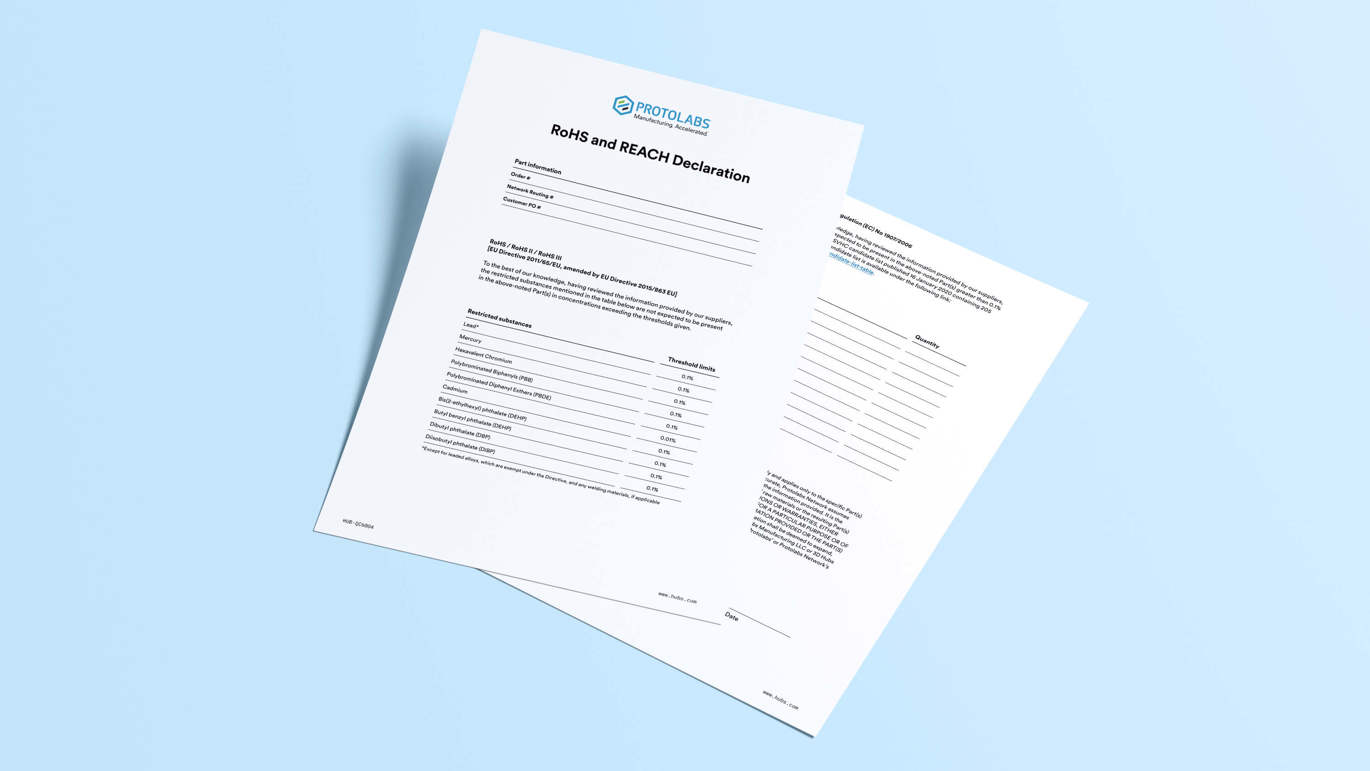
While manufacturing internationally can sometimes lower labor and production costs, it can also put your business into murky territory when it comes to meeting regulatory compliance and protecting your intellectual property (IP). In a domestic partnership, both the company and its supplier are subject to the same national and industry-specific operational standards, as well as clear laws around trademark and copyright infringement. This makes it easier to safeguard valuable IP and align policies to reflect all relevant industry guidelines and regulatory standards, such as FDA, ITAR, RoHS, OSHA, and others.
4. Supply Chain Stability and Risk Reduction
Finally, working exclusively with an overseas supplier is an incredibly risky strategy in today’s highly volatile and unpredictable global market. Whether it’s a natural disaster, unexpected tariff increase, or escalation of a geopolitical or military conflict, international supply chain disruptions can be triggered at any moment. Shifting to domestic manufacturing is one of the most effective ways to eliminate or minimize exposure to these growing threats. Moreover, when your supplier isn’t on the other side of the world, it’s much easier to regularly visit and tour domestic facilities to improve quality control and strengthen overall supply chain resilience.
Even in more stable economic and political times, having a diversified portfolio of vendors you can work with makes for a more thoughtful and stable supply chain strategy.

