


Medical Injection Molding
High quality injection-molded parts to accelerate the production of new product development in the medical industry
Certification + Compliance
ISO 9001:2015 | ISO 13485:2016 | ITAR






Injection Molding Capabilities for Medical Device Development
Protolabs helps medical device teams move from concept to production faster with injection molding services built for rapid iteration. Our free quoting platform provides pricing plus design-for-manufacturability (DFM) guidance to ensure parts are ready for injection molding, and you can access a broad range of thermoplastics and medical-grade liquid silicone rubber (LSR) with unmatched lead times and no minimum order quantities to iterate, derisk, and scale.
When you partner with us, you work with manufacturing experts who support you throughout the product life cycle and offer flexible options like vendor color matching or the ability to supply your own resins. Our on-demand model adapts from prototyping to sustained production without requiring rigid forecasts.

Plastic Materials for Medical Devices
From high-performance polymers to elastomers, we source and run the materials medical teams rely on.
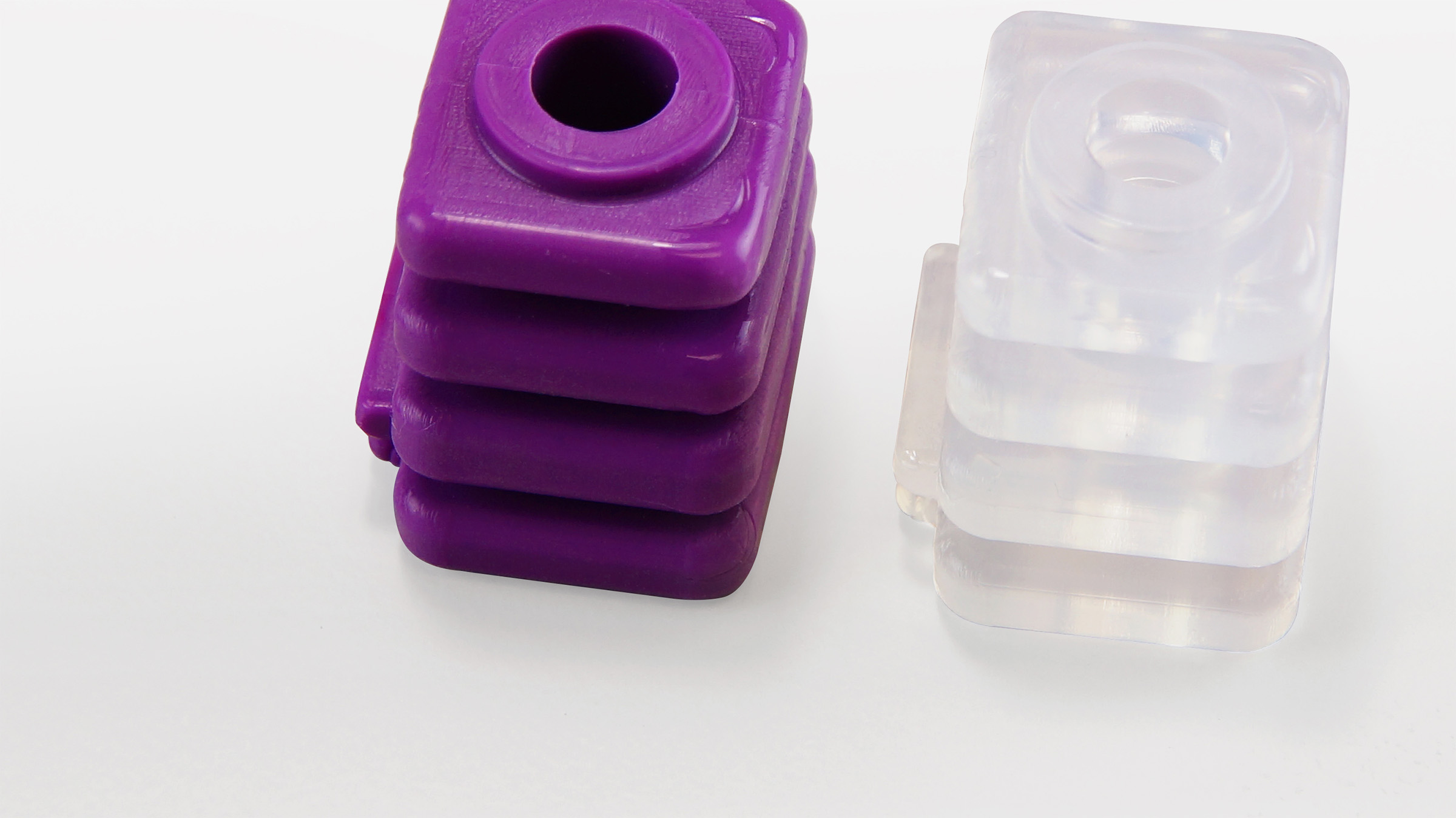
Medical-Grade Liquid Silicone Rubber (LSR)
Go-to elastomer for seals and prototype implants, offering excellent biocompatibility and a wide, tunable softness range
- Wide range of hardness from very soft to firm
- Typical uses: seals, gaskets, prototypes of implants, soft-touch features
- Considerations: thermoset material—cannot be re-melted or recycled
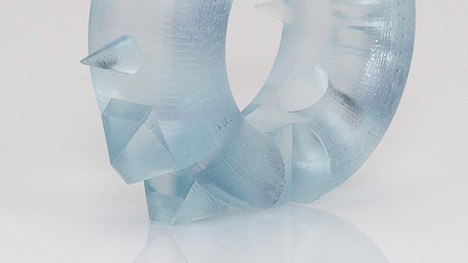
PC-ABS and PC Blends
Versatile pick for housings, enclosures, wearables, and lab equipment; highly moldable with clean, durable cosmetics and medical-grade options
- Highly moldable, durable, and available in medical grade
- Strong cosmetic performance for housings and enclosures
- Typical uses: handhelds, wearables, lab equipment
- Considerations: not for implants
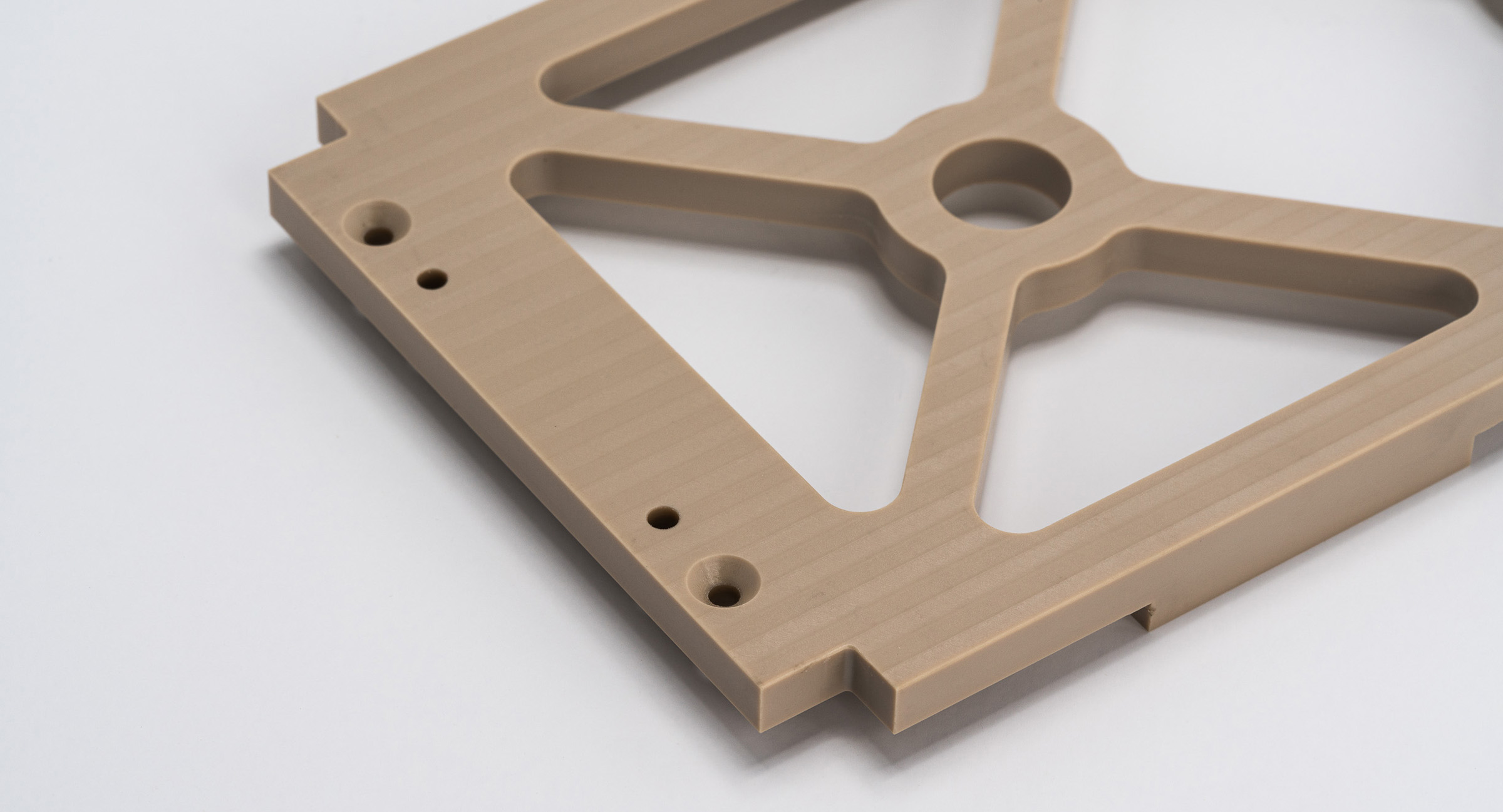
PEEK
Engineered for demanding work such as implant prototypes and surgical tools; delivers top-tier strength and heat/chemical resistance
- High strength and stiffness
- Heat- and chemical-resistance
- Biocompatible grade available
- Typical uses: implants, implant prototypes, surgical tools

Polycarbonate (PC)
Trusted for transparent housings, surgical instruments, and IV connectors thanks to its clarity and durable performance, but watch for stress cracking in tough environments
- Durable with good heat resistance
- Excellent optical clarity and aesthetics for transparent parts
- Typical uses: surgical instruments, IV connectors, housings
- Considerations: may stress crack with prolonged temperature fluctuations or certain chemistries
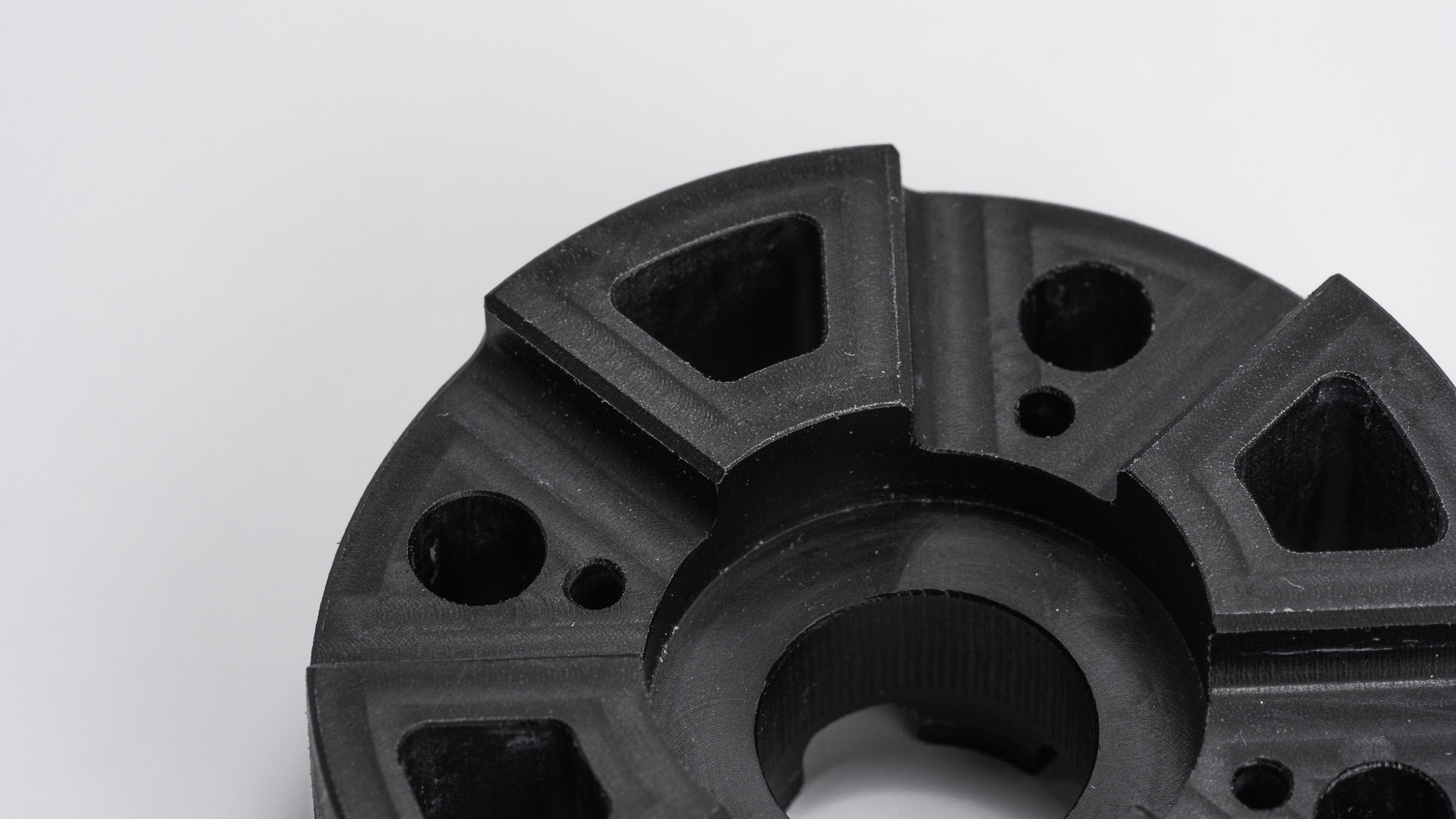
Polypropylene (PP)
Cost-effective staple for high-volume disposables such as syringes and pill containers, offering chemical/heat resistance and a bit of flex to reduce cracking
- Cost-effective
- Suitable for high-volume applications
- Chemical- and heat-resistant; slight flexibility reduces cracking
- Typical uses: syringes, pill containers
- Considerations: lower impact resistance than engineering resins
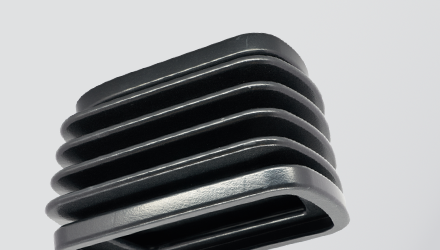
Thermoplastic Elastomers (TPE/TPU)
Preferred for soft-touch grips, seals, and catheters, with strong chemical bonding in overmolded designs
- Broad durometer range for grips, seals, and catheters
- Can be overmolded to chemically bond with substrates (e.g., PC, ABS, PA)
- Typical uses: soft-touch grips, seals, and catheters
- Considerations: more heat-sensitive than LSR
At Edwards, time was always of the essence. Partnering with Protolabs enabled us to achieve this agility, ultimately resulting in the best possible product. Without them as a key partner, I believe we could not have achieved the speed required for success.
![]()

How We Support Innovation in the Medical Industry
With no minimum order quantities and a free prototype tool with on-demand manufacturing orders, we’re your partner to get to market faster for projects such as:
- Lower volume or difficult-to-forecast products
- FDA Class I and II devices, or non-implantable components
- Early-in-development projects
- Components requiring complicated supply chains
- Development stages that require design flexibility
- Parts in which we can apply early process learnings to production
- SKUs that could benefit from a secondary source
- Design verification testing, clinical trial submissions, and regulatory body submission
Related Resources


